Focused arrival windows
Useful updates and clear arrival timing.

When your water heater quits, you need water heater repair Cincinnati OH homeowners can count on the same day. We handle no hot water, tank leaks, pilot light failures, and thermostat problems on gas, electric, and tankless units across Cincinnati and Hamilton County. One call gets a licensed tech to your door with the parts to fix it right the first time.
Useful updates and clear arrival timing.
Review the approach and price before deciding.
Equipped vehicles and respectful cleanup.
Neighbors serving neighbors with follow-through.
Every repair call covers a full diagnostic, the failed part replacement, testing, and a walkthrough. Here is what is standard on the job and what we treat as an add-on.
We test the thermocouple, heating elements, thermostats, high-limit switch, T&P valve, anode rod, and flue draft on gas units. You get a written diagnosis of what failed and why before we quote the repair.
Thermocouples, heating elements, thermostats, dip tubes, anode rods, T&P valves, and gas control valves are all common swaps we carry on the truck. Most repairs are completed in a single visit.
Cincinnati's hard water leaves scale behind. We flush the tank and remove sediment buildup as part of the repair so the new part is not fighting the same conditions that killed the old one.
After the repair, we pressure-test the fittings, check the T&P valve, and confirm no drips at the drain valve or supply connections. You get a dry floor and a system that holds pressure.
We run the unit up to temperature and take a reading at the tap - typically 120 to 140 degrees. If the thermostat needs adjustment, we dial it in before we leave.
Parts carry a manufacturer warranty and our labor is warrantied too. We register the part and leave you with the paperwork so a future claim is simple.
Share what is happening and receive a clear next step from the local team.
Water heater repair Cincinnati OH is the diagnosis and correction of a failed or failing water heating system - gas, electric, or tankless - so your home gets hot water back without a full replacement. A typical call starts with no hot water, rusty or sulfur-smelling water, popping sounds from sediment, a puddle at the base of the tank, or a pilot light that will not stay lit. We test the thermocouple, heating element, thermostat, anode rod, and T&P valve, then repair or replace the failed component.
Cincinnati homes deal with hard water that chews through anode rods and coats heating elements in scale. Older tanks in neighborhoods like Clifton and Northside often run on borrowed time by the time the first leak shows up. If you are searching for water heater repair near me Cincinnati OH, we run same day water heater repair Cincinnati Ohio calls seven days a week - including holidays when a tank lets go before family arrives.
You call 513-827-8348 and describe what is happening - no hot water, leaking tank, pilot light out, popping noise. We ask the right questions to figure out whether it is gas, electric, or tankless, and dispatch the closest tech with the parts most likely needed. Most calls get a two-hour arrival window.
The tech shuts off gas or power, drains a few gallons if needed, and runs a full diagnostic - thermocouple output, element resistance, thermostat continuity, anode rod condition, T&P valve, and flue draft on gas units. You get a plain-English explanation of what failed and why, plus the price to fix it.
Once you approve the price, we pull the failed part and install the replacement. Thermocouples, heating elements, thermostats, dip tubes, anode rods, T&P valves, and gas control valves are all common swaps we carry on the truck. A standard repair takes 60 to 120 minutes.
We refill the tank, restore gas or power, light the pilot if it is a gas unit, and run the system up to temperature. You get a reading on the actual water temp at the tap - usually 120 to 140 degrees - and we confirm no leaks at the fittings, T&P valve, or drain valve before we pack up.
Before we leave, we walk you through what failed, what we replaced, and how to keep it running. Parts carry a manufacturer warranty and our labor is warrantied too. If the same issue comes back inside the warranty window, we come back - no charge, no argument.
Tests heating element resistance and thermostat continuity on electric water heaters to pinpoint the failed component without guesswork.
Sniffs for gas leaks at the control valve, pilot assembly, and supply line before and after any gas water heater repair.
Standard tools for removing and reinstalling supply lines, dielectric nipples, and fittings during a repair.
Used to repair or replace copper pipe and PEX tubing connections when the existing plumbing needs work alongside the heater.
Traces hidden leaks near the water heater - slab leaks, supply line drips, and fitting failures - before we replace parts that are not the problem.
Confirms whether a drain or sewer issue is contributing to water near the heater, especially in older Cincinnati basements.
Pulls the anode rod for inspection and flushes sediment out of the tank - the two maintenance steps that extend tank life the most.
Every repair follows the Ohio Plumbing Code and Uniform Plumbing Code, including proper T&P valve sizing, venting, and gas line connections. We pull permits when required and document the work for resale or insurance.
We test every component in the chain - thermocouple, gas valve, thermostat, elements, T&P valve, and anode rod - before quoting a repair. This prevents the common mistake of replacing a part that was not the actual failure.
Cincinnati's hard water accelerates scale buildup and eats anode rods. Every repair includes a tank flush and anode rod inspection so the new part is not fighting the same conditions that killed the old one.
We weigh tank age, repair cost, and remaining life to give you a straight recommendation. Under 10 years old with a component failure - repair. Over 12 years with a tank leak - replace. You get both numbers and the reasoning.
We run holiday emergency dispatch for exactly this. A tech arrives, diagnoses the failure, and repairs it the same night if the part is on the truck. If it is not repairable, we can install a new unit the next morning. Hot water restored before guests arrive, or a same-day replacement scheduled.
We come out, shut off the supply, and trace the leak to the T&P valve, drain valve, or a fitting. Most leaks are repairable without replacing the tank. A dry basement floor and a repair that holds pressure, usually done in under two hours.
We test the thermocouple, gas valve, and flue draft. A failing thermocouple is the usual culprit and we replace it on the spot, then verify the pilot holds through a full heating cycle. A pilot that stays lit and reliable hot water without repeat service calls.
We diagnose the flagged issue, repair it, and provide documentation for your realtor. If the tank is at end of life, we quote a replacement that satisfies the buyer's lender. A clean inspection report and a closed sale without last-minute repair drama.
That combination usually means a failed lower heating element or a thermostat issue. We test both elements and the thermostat, replace the failed part, and verify the tank reaches full temperature. Restored hot water and a lower electric bill on the next cycle.
Cincinnati's water is hard - the Ohio River and local aquifer supply leaves mineral deposits that shorten anode rod life and coat heating elements. That is why we see more sediment-related failures here than in cities with softer water. Older neighborhoods like Clifton, Northside, and Walnut Hills have century homes with basement tanks that have been running for 12 to 15 years, often on original plumbing. Newer builds in Mason, West Chester, and Liberty Township tend to have tankless units that need descaling every 12 to 18 months. We work with both. Our techs know the local building stock, the common failure patterns, and the Ohio Plumbing Code requirements that apply to venting, gas connections, and T&P valve discharge. When you call for water heater pilot light repair Cincinnati, we show up with the parts and the local knowledge to fix it right.
Many homes here have original basement water heaters and older gas lines. We see a lot of thermocouple failures and sediment-heavy tanks that need flushing.
Mix of older homes with tank units and newer renovations with tankless. We handle both, including Navien descaling and gas valve repairs.
Post-war housing stock with water heaters often tucked in tight closets. Access matters here, and we plan the repair around it.
Newer construction with tankless and high-efficiency tank units. Annual descaling and error-code diagnostics are common calls.
Older homes with a lot of DIY plumbing history. We often find undersized gas lines or improper venting that needs code correction alongside the repair.
Mineral buildup shortens anode rod life and coats heating elements, causing popping sounds and higher energy bills. Annual flushing extends tank life by years.
Frozen supply lines can stress water heater fittings and cause leaks when they thaw. We check supply lines during winter repair calls and insulate where needed.
Older homes often have original gas lines and undersized venting. We correct code issues during the repair so the system is safe and passes inspection.
Most Cincinnati water heaters sit in basements or garages where temperature swings and humidity affect the unit. We factor that into the repair and recommend insulation or a drip pan where needed.
An 11-year-old Rheem gas water heater stopped producing hot water overnight. The pilot would not stay lit, and the homeowner had already tried relighting it three times with no luck. Family of four, no hot water for two days.
We replaced the failed thermocouple and flushed two inches of sediment out of the tank. The pilot held through a full heating cycle, and the tap reading hit 128 degrees within 40 minutes. Total repair time: 90 minutes.
Maintenance: Annual tank flush and thermocouple check. With hard water in this area, flushing every 12 months is the single best thing you can do to extend tank life.
A homeowner noticed a puddle spreading under the water heater in the basement. The tank was 8 years old, and the leak was coming from the T&P valve and the drain valve. Water was within a foot of stored boxes.
We shut off the supply, replaced both valves, and pressure-tested the system. The floor was dry within an hour, and the tank held pressure overnight. Repair cost came in under $400 - far less than a replacement.
Maintenance: Test the T&P valve every six months by lifting the lever briefly. If it drips after, call us - that means it needs replacement.
A Navien tankless unit was throwing an error code and delivering lukewarm water. The homeowner had never descaled the unit in four years of ownership. Flow rate had dropped noticeably at the shower.
We descaled the heat exchanger, cleaned the flow sensor, and cleared the error code. Flow rate returned to normal and the unit hit 120 degrees at the tap. Total service time: two hours.
Maintenance: Descale tankless units every 12 to 18 months in this area. Hard water makes it non-negotiable if you want the warranty to stay valid.
Most Cincinnati water heater calls fall into a handful of categories. Here is what we see most often and how we fix it.
Cold showers, no dishwasher, no laundry - the whole house grinds to a halt until it is fixed. We diagnose whether it is a thermocouple, heating element, thermostat, or gas control valve, then replace the failed part. Most no-hot-water calls are fixed in a single visit with parts we carry on the truck.
A leaking tank can rot flooring, damage drywall, and turn into a mold problem within days if ignored. We shut off the supply, find the source - T&P valve, drain valve, fitting, or the tank itself - and repair it. If the tank shell is compromised, we tell you straight and quote a replacement.
A gas water heater with a dead pilot means no hot water and a potential gas safety concern. Nine times out of ten it is a failed thermocouple. We test the gas valve and flue draft too, replace the thermocouple, and confirm the pilot holds before we leave.
Discolored water and rotten-egg odor usually mean a corroded anode rod or bacteria in the tank. We pull the anode rod, inspect it, and replace it if it is spent. For sulfur odor, we sanitize the tank and check the magnesium anode - sometimes a switch to aluminum-zinc solves it.
Sediment buildup on the tank bottom causes overheating, higher gas bills, and premature tank failure. We flush the tank, remove the sediment, and inspect the heating element or burner. Regular flushing every 12 months prevents this from coming back.
Our techs have worked on every major water heater brand sold in Cincinnati - Rheem, A.O. Smith, Navien, Bradford White, and State. We hold an Ohio plumbing license, carry backflow prevention certification where required, and follow OSHA safety standards on every gas and electrical job. That means we know the difference between a bad thermocouple and a bad gas valve, and we know which Cincinnati neighborhoods have the hardest water and the oldest tanks. We do not guess. We test, we diagnose, and we fix the actual problem.
Our 11-year-old Rheem quit on a Friday night. Called these guys at 7 a.m. Saturday and had a tech at the house by 9:30. Turned out to be the thermocouple and a badly scaled heating element. Fixed both, flushed the tank, and we had hot water by lunch. Price was exactly what they quoted on the phone.
Woke up to a puddle around the water heater and no hot water. They came out same day, diagnosed a failed T&P valve and a leaking drain valve. Replaced both and checked the anode rod while they were in there. Fair price, clean work, and they explained everything without trying to sell me a new tank.
I manage three rentals in Clifton and have used these guys twice for water heater issues. Both times they showed up when they said, fixed the actual problem, and did not pad the bill. The second call was a pilot light issue on a gas unit - thermocouple swap, done in under two hours. They are my go-to now.
Most repairs run $180 to $650 in 2026, with the average around $320. A thermocouple swap is on the low end; a gas control valve or heating element replacement runs higher. Tank leaks, code corrections, and hard-to-reach installs push the number up. You get the exact price before we start - no overtime upcharge on nights or weekends.
The four most common causes we see are a failed thermocouple on gas units, a burned-out heating element on electric, a tripped high-limit switch, or sediment buildup from Cincinnati's hard water. A pilot light that will not stay lit almost always points to the thermocouple. We test each component and tell you exactly what failed before we quote the fix.
Yes - we run 24/7 emergency water heater repair Cincinnati Ohio calls, including holidays. If your tank is leaking, you have no hot water, or you smell gas, call 513-827-8348 and we dispatch the closest tech. Typical arrival is within two hours for most Hamilton County addresses, and we can shut off the water and gas to stop damage while we work.
If the tank is under 10 years old and the failure is a component - thermocouple, element, thermostat, valve - repair is almost always the right call. If the tank itself is leaking, the unit is past 12 years, or you are facing a $700-plus repair on a 10-year-old tank, replacement makes more financial sense. We give you both numbers and let you decide.
Not seeing your question? Our local team can help you understand urgency, scheduling and what to expect.
Ask the local team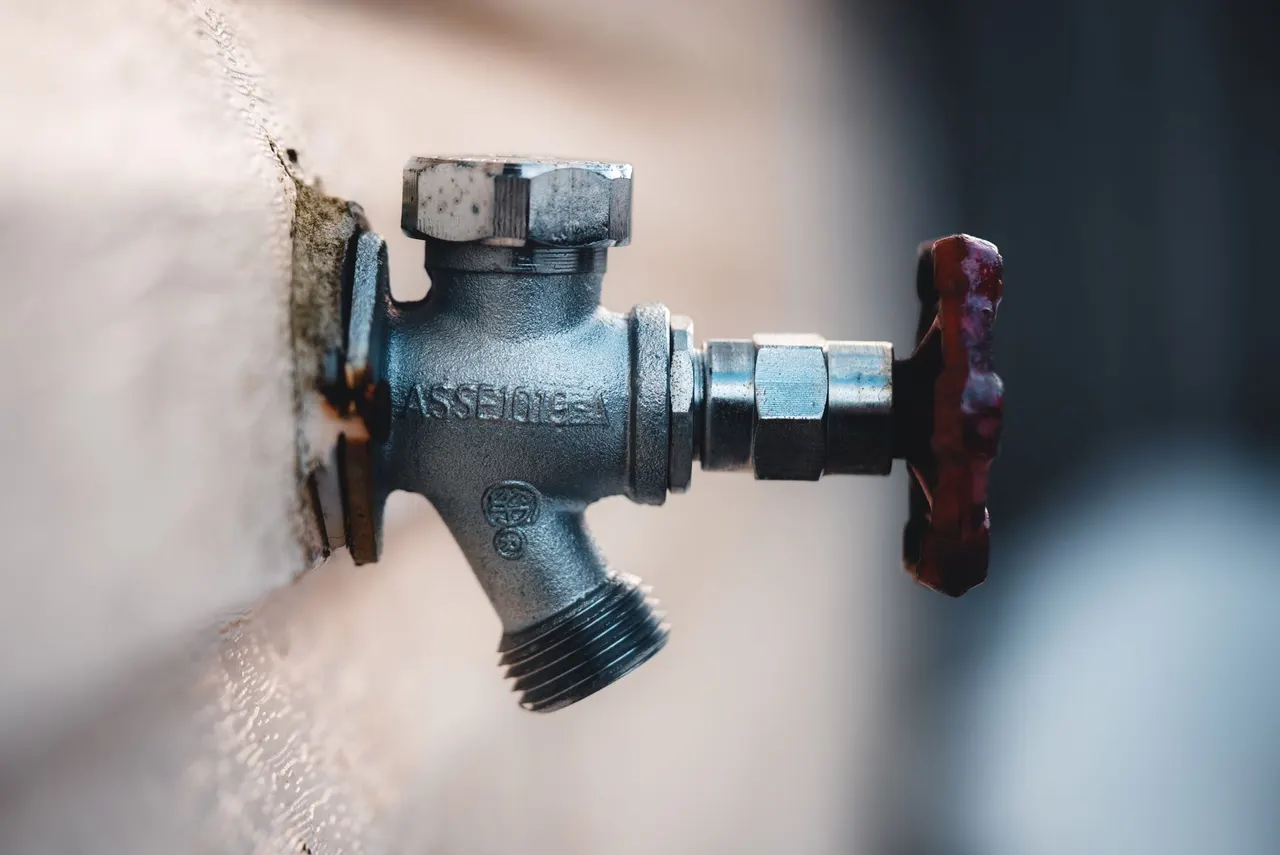
When a water heater leak turns into a flooded basement, our emergency team handles the shutoff, the repair, and the cleanup coordination. We run 24/7 across Hamilton County for burst pipes, tank failures, and gas leaks tied to water heater problems.
View service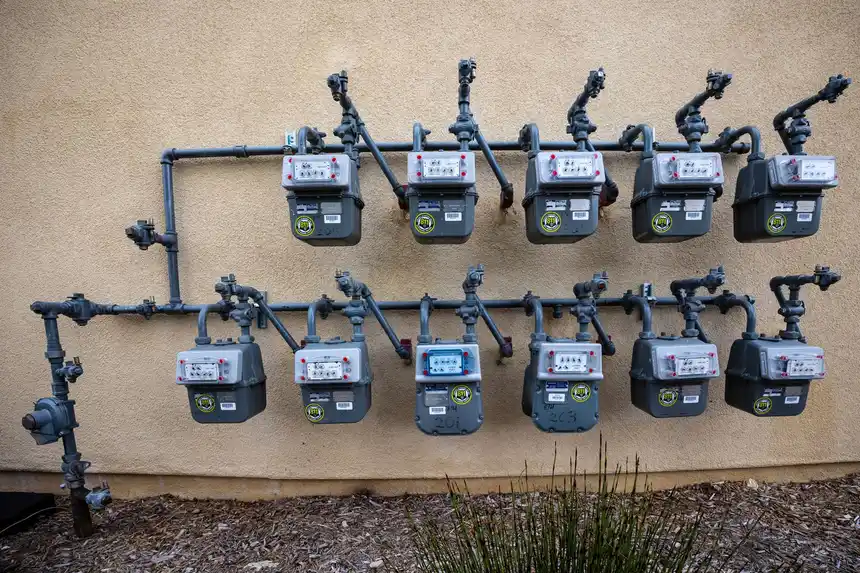
Water heater repair is one piece of whole-home plumbing. We handle everything from running toilet repairs to leaky faucet fixes in the same visit, so you are not paying a second trip charge for a small job you have been putting off.
View service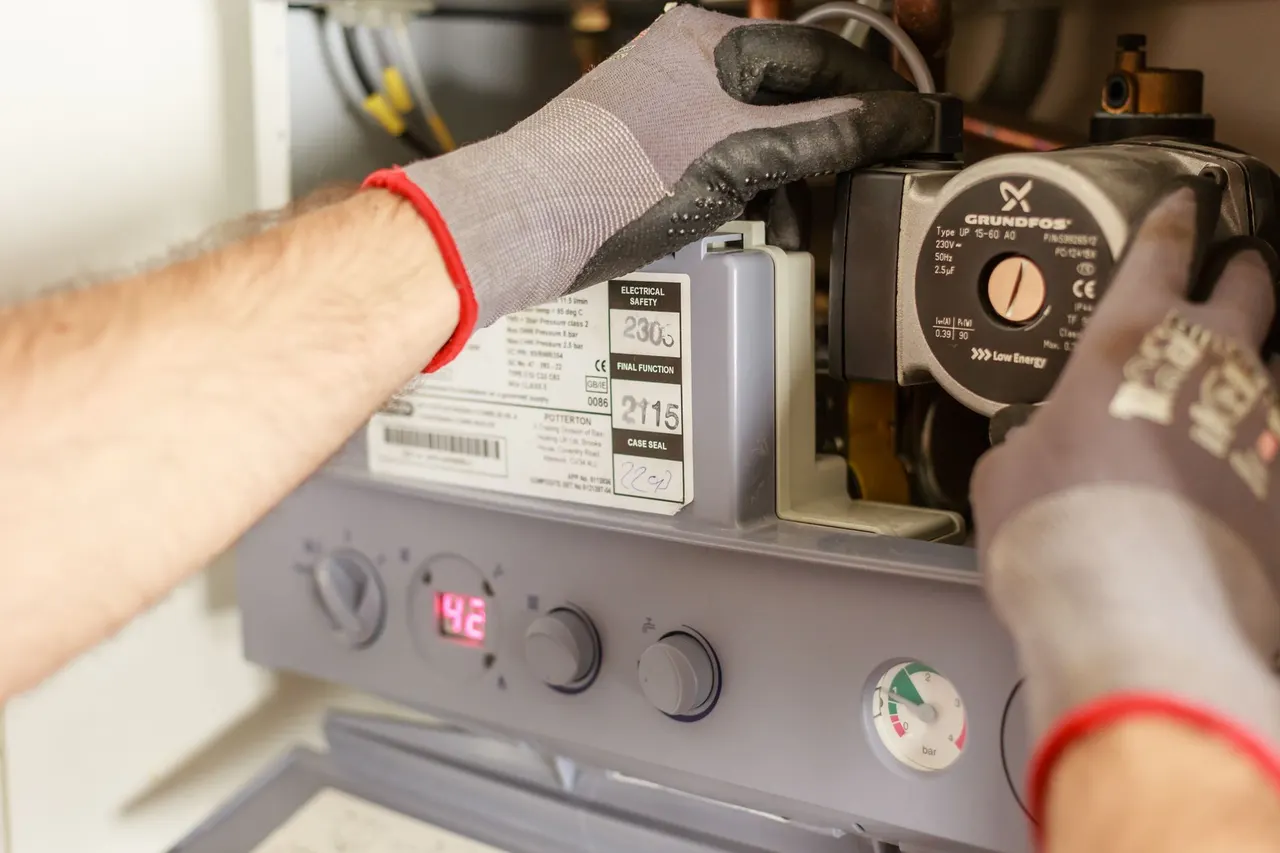
Restaurants, salons, and small offices in Cincinnati depend on hot water all day. We service commercial water heaters and boilers with priority dispatch so a failed unit does not shut down your business or send customers home.
View service
A water heater failure often exposes other issues - corroded fittings, a failing T&P valve, or a bad shutoff. Our plumbing repair techs fix those on the same visit so your new repair is not undermined by an old problem two feet away.
View service
Call us at 5138278348 any time, day or night. We answer emergency calls 24/7 and schedule regular service calls Monday through Friday. If you prefer email, reach us at [email protected] and we'll get back to you the same day.