Focused arrival windows
Useful updates and clear arrival timing.
When your water heater quits, you need water heater installation Cincinnati OH homeowners can count on. We handle gas, electric, and tankless swaps across Hamilton County, pull the permits, and haul the old tank away. Most jobs are finished in one visit, and you get upfront pricing before we start. Call 513-827-8348 and we'll get your hot water back.
Useful updates and clear arrival timing.
Review the approach and price before deciding.
Equipped vehicles and respectful cleanup.
Neighbors serving neighbors with follow-through.
Every install we quote includes the tank, the labor, the permit, and the parts that actually need replacing. Here's what's covered on a standard swap - and what we'd flag as an add-on if your setup needs it.
A new 40- or 50-gallon Rheem, A.O. Smith, or American Standard tank, plus fresh brass fittings, Teflon tape, and either copper pipe or PEX tubing on the supply lines. We don't reuse old nipples or corroded shutoffs.
A new thermal expansion tank and temperature-and-pressure relief valve are included on every install. Cincinnati's water pressure swings can stress a tank, and these two parts are what keep it from failing early.
A new drain pan piped to a safe discharge point, plus a T&P discharge line run to code. If your old setup dumped water onto the floor, we fix that during the install.
We pull the Hamilton County or City of Cincinnati permit and meet the inspector on site. You get the signed-off paperwork for your records - important for resale and insurance.
We drain, disconnect, and carry out the old unit, then recycle it. No tank on your curb, no rust stains on your basement stairs, no extra fee.
We fill, purge, and fire the new unit, then run hot water at the nearest faucet until it's at temperature. You get a walkthrough of the shutoff, anode rod, and warranty before we leave.
Share what is happening and receive a clear next step from the local team.
Water heater installation Cincinnati OH is not just swapping one tank for another. It means sizing the unit to your household, checking the venting and gas line or the 240-volt circuit, installing a new expansion tank and T&P valve, and bringing the whole setup up to Ohio Plumbing Code. We drain the old tank, disconnect the gas or power, cut out corroded nipples, and set the new unit on a level pad with fresh brass fittings and Teflon tape on every threaded joint.
Most Cincinnati homes we walk into are running a 40- or 50-gallon tank that's 10 to 14 years old. When it fails, you're looking at cold showers, a wet basement floor, or a rust-colored puddle near the utility room. Whether you need a water heater replacement Cincinnati style - fast and code-correct - or a planned upgrade to a tankless unit, we quote the job before we touch a wrench. No surprises on the invoice.
We ask the age of the tank, whether it's gas or electric, and what you're seeing - rusty water, popping, or a puddle. That tells us whether to bring a 40 or 50 gallon unit and whether you need a same-day emergency slot. Takes about 5 minutes.
A licensed plumber inspects the venting, gas shutoff, water shutoff, expansion tank, and electrical disconnect. We check for a slab leak or frozen pipes nearby that could complicate the swap. You get a written price before any work starts.
We shut off the gas or breaker, drain the old tank with a hose to a floor drain or utility sink, and cut out any corroded nipples or failing SharkBite connections. The pad gets scraped and leveled so the new unit sits flat.
New tank goes in with fresh copper pipe or PEX tubing, a new T&P valve, a new expansion tank, and a new drain pan piped to a safe location. Gas lines get a leak test; electric units get a dedicated 30-amp circuit check. Typically 2 to 4 hours.
We fill the tank, purge the air, fire it up, and run hot water at the nearest faucet until it's at temperature - usually 120 to 140 degrees depending on your setting. You get a walkthrough of the anode rod, shutoff, and warranty paperwork before we leave.
Breaking loose old galvanized nipples and tightening new brass fittings without rounding the hex. A proper pipe wrench is the difference between a clean swap and a stripped thread.
Crimping copper and PEX connections in tight utility closets where a soldering torch would be a fire risk. Faster and cleaner than sweating every joint.
Push-to-connect fittings for emergency repairs and tight spots where we can't get a torch in. We use them where code allows and transition to copper or PEX for permanent runs.
When we suspect a hidden leak near the water heater or a failing drain line, we run a camera to see exactly what's happening before we cut into anything.
Acoustic and thermal leak detection tools that find slab leaks and pinhole leaks in copper without tearing up the floor.
Clean, square cuts on copper and PEX tubing, plus a proper crimp every time. A bad crimp is the number one cause of leaks on new installs.
For permanent copper joints on supply lines and T&P discharge piping. We still sweat copper where it's the right call.
Every install follows the Uniform Plumbing Code as adopted by Ohio - proper venting, T&P discharge to a safe location, drain pan under the tank, and seismic strapping where required. We don't cut corners on the parts you can't see.
We pull the permit through Hamilton County or the City of Cincinnati, schedule the inspection, and meet the inspector on site. You get the signed-off paperwork for your records and your insurance file.
The anode rod is what keeps your tank from rusting from the inside. We inspect it on every install and replace it when it's more than 50 percent consumed. In Cincinnati's water, that's often every 3 to 5 years.
We size tanks on first-hour rating, not just gallon capacity. A 50-gallon gas unit recovers faster than a 50-gallon electric, which matters for families with back-to-back morning showers.
After the install, we pressure-test every joint, purge air from the tank, and run hot water at the nearest fixture until it's at temperature. We don't leave until the system is proven under real conditions.
We roll a same-day emergency slot, shut off the supply, drain the tank, and install a new 50-gallon gas unit with a fresh expansion tank and drain pan. Permit gets pulled Monday morning. Hot water back on by Saturday afternoon. No flooded basement, no weekend hotel stay.
We measure the first-hour rating on their existing 40-gallon electric tank, confirm it's undersized, and install a 50-gallon gas unit with a higher recovery rate. Back-to-back showers without a cold-water surprise. Lower monthly energy bill too.
We run a dedicated gas line, install a Navien tankless unit with proper venting, and set the temperature to 120 degrees. Full conversion done in one day. Endless hot water, reclaimed closet space, and a unit that should last 20 years with annual descaling.
We dispatch a plumber with a 40-gallon tank on the truck, handle the swap in under four hours, and email the permit and warranty paperwork to the property manager. Tenant has hot water the same day. Landlord has documentation for the file.
We inspect the anode rod, find it fully consumed, and confirm the tank lining is compromised. We install a new 50-gallon unit with a fresh anode and flush the hot-water lines. Clear hot water, no more popping, and a tank that should run 10 to 12 years.
Cincinnati's housing stock is old, and that shapes every install we do. In neighborhoods like Northside, Walnut Hills, and Price Hill, we regularly find galvanized supply lines that need a partial repipe before we can connect a new tank. In newer builds out in Mason and West Chester, the challenge is usually venting - modern tight construction means we have to be precise about combustion air. Our water is moderately hard, which eats anode rods faster than the national average, so we recommend an annual flush and anode check. Winter brings frozen pipes and burst pipe calls, and a water heater in a cold basement works harder to hit temperature. We pull permits through Hamilton County or the City of Cincinnati depending on the address, and we follow the Ohio Plumbing Code on every vent, drain pan, and T&P discharge. If you're comparing water heater replacement cost Cincinnati Ohio quotes, ask whether the price includes the permit, expansion tank, and haul-away - ours does.
Tight utility closets and 19th-century brick construction mean we often use a press tool instead of a torch to avoid fire risk near old framing.
Larger homes with multiple baths usually need a 50- or 75-gallon tank or a tankless unit to keep up with simultaneous showers.
Galvanized supply lines are common. We often transition to copper or PEX during the install to prevent future flow problems.
Newer builds with PEX already run. Installs go fast, but we check the venting carefully because tight construction affects combustion air.
Basements here flood more often in spring. We always pipe the drain pan to a safe discharge and check the floor drain before setting the tank.
Cincinnati water is moderately hard, which means anode rods deplete faster than the national average. We inspect and replace them during install and recommend an annual flush to extend tank life.
Cold snaps in January and February can freeze exposed supply lines near the water heater. We insulate the run and check the shutoff during every install.
Homes built before 1960 often have a mix of galvanized, copper, and sometimes CPVC. We transition properly with dielectric unions to prevent electrolysis at the new tank.
The City of Cincinnati and Hamilton County have different permit processes. We handle both and schedule the inspection so you're not chasing paperwork.
A 50-gallon gas tank was weeping from the base and had rusted nipples on both supply lines. The expansion tank was waterlogged and the T&P valve was stuck closed. Water was starting to stain the basement floor.
We installed a new 50-gallon Rheem gas unit with fresh copper supply lines, a new expansion tank, a new T&P valve, and a drain pan piped to the floor drain. Total job time was 4 hours. Hot water was back the same afternoon.
Maintenance: Flush the tank annually to remove sediment, and check the anode rod every 3 years. In Cincinnati's water, that's the difference between a 10-year tank and a 15-year tank.
A family of five was running out of hot water by the third morning shower. Their existing 40-gallon electric tank had a slow recovery rate and was already 9 years old. Two showers maxed it out.
We upgraded to a 50-gallon gas unit with a first-hour rating that handles four back-to-back showers. The gas line was already in place, so the swap took 5 hours. Their energy bill dropped noticeably the next month.
Maintenance: Set the temperature to 120 degrees to save energy and prevent scalding. Have the tank flushed once a year and the anode rod checked every 3 years.
A condo owner in Over-the-Rhine wanted to reclaim utility closet space and stop running out of hot water when guests visited. The existing 40-gallon tank took up most of the closet and was 11 years old.
We installed a Navien tankless unit with a dedicated gas line and proper venting through the exterior wall. The conversion took 7 hours. The closet is now usable storage, and hot water is endless.
Maintenance: Tankless units need annual descaling in Cincinnati's hard water. We offer a maintenance plan that includes the descale, a flow sensor check, and a vent inspection.
Most water heater calls come down to one of these five situations. Here's what's actually happening and how we fix it.
A leaking tank is done - the steel has rusted through from the inside and no patch will hold. Every hour you wait is another hour of water on your floor. We shut off the supply, drain the tank, and install a new unit the same day whenever our schedule allows. We also check for water damage around the base and flag anything that needs drying before we set the new tank.
Could be a failed heating element, a bad thermocouple, a tripped breaker, or a dead tank. Guessing wastes time and money. We test the element, thermostat, and gas valve on site. If it's a repair, we repair it. If the tank is past 10 years old, we quote a replacement so you can decide with real numbers in front of you.
Rusty water usually means the anode rod is spent and the tank lining is starting to go. Sulfur smell points to bacteria in the tank or a failing magnesium anode. We inspect the anode rod and tank interior. Sometimes a new anode rod buys you years. When the tank itself is compromised, we install a new unit with a fresh anode and flush the lines.
A tank that's too small for your family runs cold by the third shower. A failing dip tube can cause the same symptom on a correctly sized unit. We run the first-hour rating math and either replace the dip tube or upgrade you to a properly sized 50-gallon or tankless unit. Most Cincinnati families of four do fine on a 50-gallon gas tank.
Sediment has built up on the burner or element and is boiling under the crust. Left alone, it shortens the tank's life and drives up your gas or electric bill. We flush the tank and inspect the anode. If the tank is young, a flush buys years. If it's old and the noise won't stop, we quote a replacement and haul the old one away.
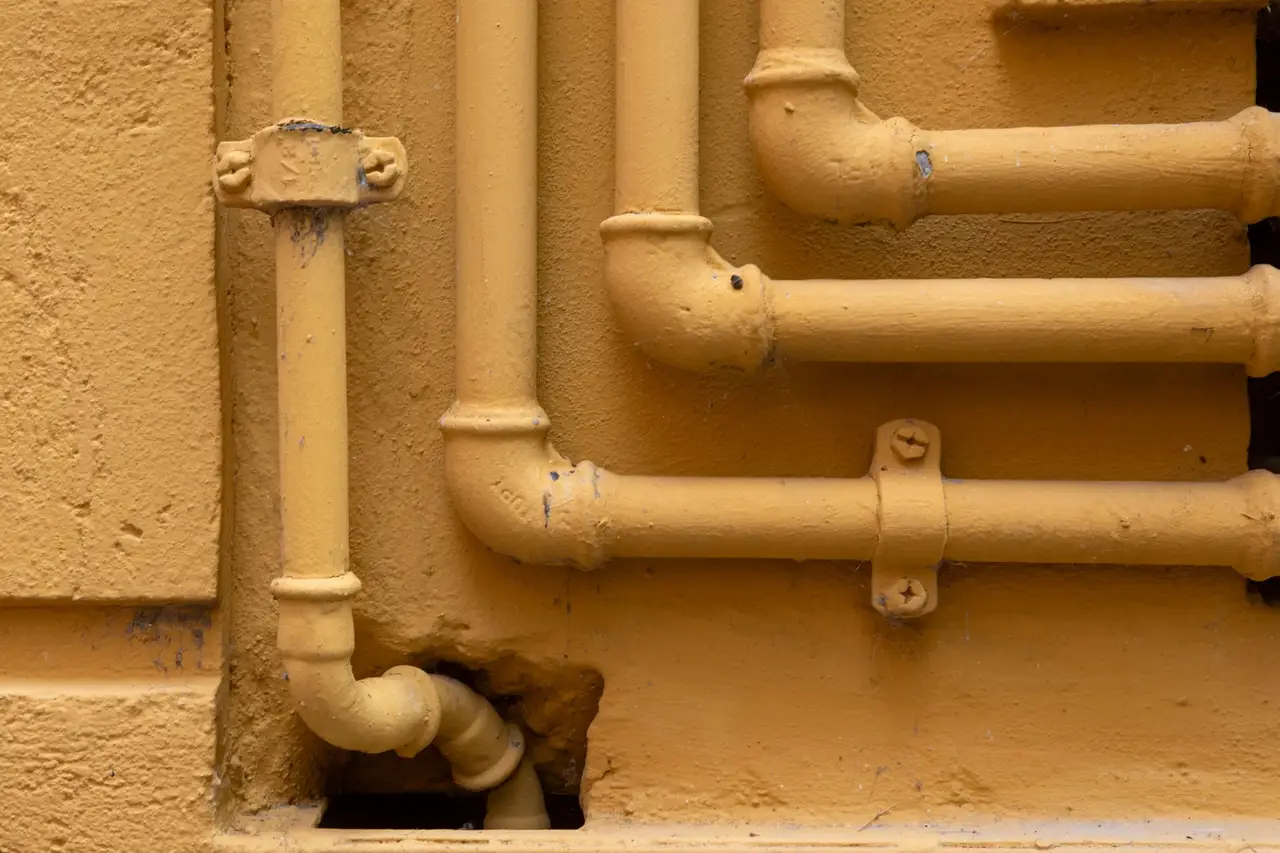
Our crew holds Ohio plumbing licenses and works under a master plumber license on every job. We've installed thousands of tanks across Hamilton County - from century-old homes in Northside with galvanized supply lines to new builds in Anderson Township with PEX already run. We carry RIDGID and Milwaukee tools, use a pipe camera inspection when we suspect a hidden leak, and follow the Uniform Plumbing Code on every vent, drain pan, and T&P discharge line. When you call a new water heater plumber Cincinnati homeowners trust, you get a tech who's done this hundreds of times, not a handyman with a wrench.
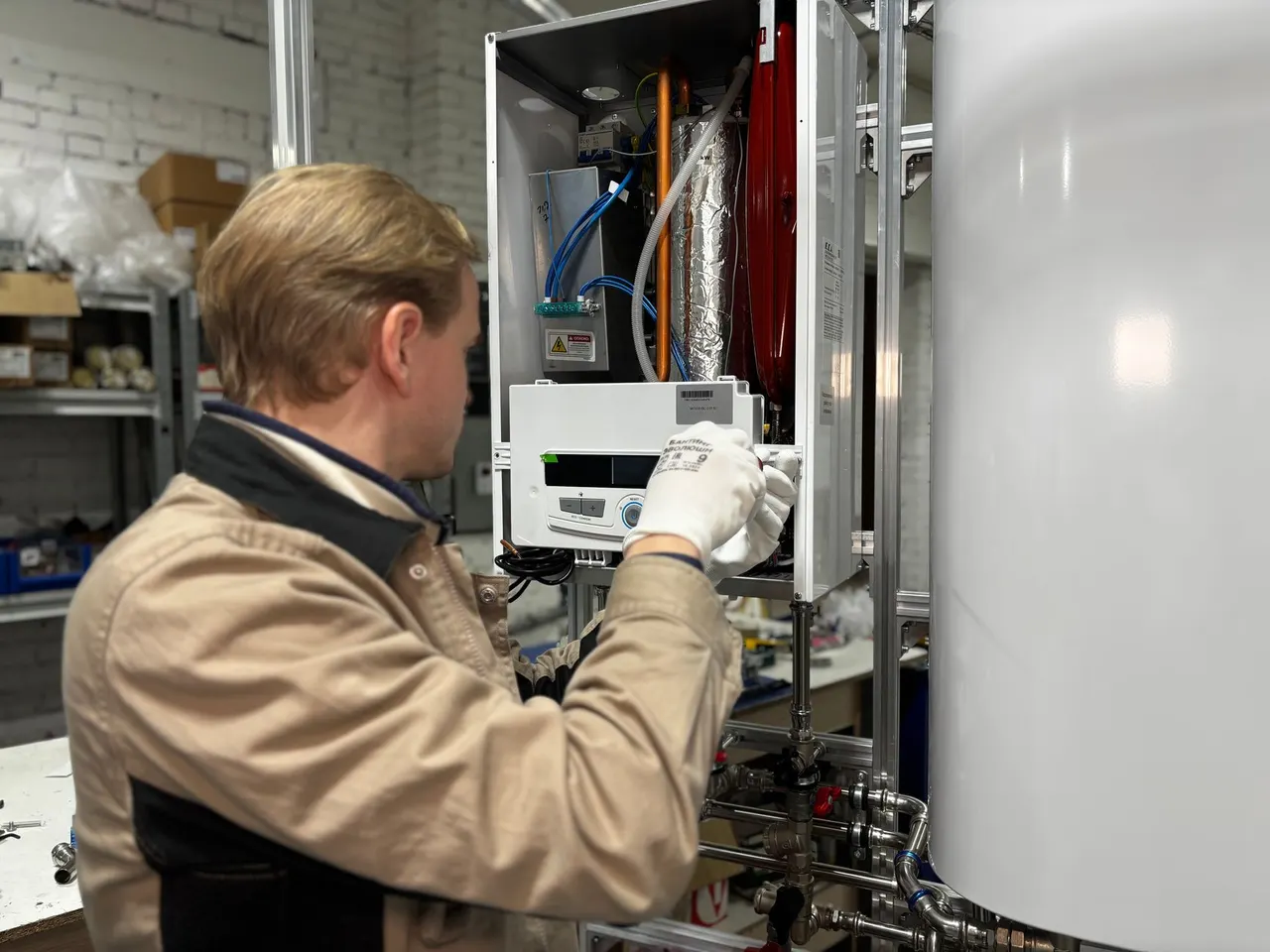
Our 12-year-old tank started leaking on a Sunday morning. Called at 9, had a plumber at the house by 1, and a new 50-gallon Rheem running by 5. He pulled the permit, replaced the expansion tank, and hauled the old one away. Price was exactly what he quoted on the phone. That's how it should work.
We have an old house with galvanized pipes and I was worried the install would turn into a whole repipe. The tech cut out the worst section, transitioned to copper, and had us back in hot water the same afternoon. He also showed me how to flush the tank and check the anode rod. Straight shooter.
I manage six rental units and water heaters are my biggest headache. These guys have done three replacements for me this year - all same-day, all permitted, all clean. Tenants get hot water back fast and I get the inspection paperwork without chasing anyone. They're my first call now.
Most standard 40- or 50-gallon tank installs in Cincinnati run $1,200 to $2,400 in 2026, including the tank, labor, permit, expansion tank, and haul-away. Tankless conversions typically land between $3,200 and $5,500 because they need venting and gas line upgrades. The water heater replacement cost Cincinnati Ohio homeowners actually pay depends on tank size, fuel type, and whether the venting or electrical needs work.
A straight tank-for-tank swap takes 3 to 5 hours from arrival to hot water. Tankless conversions run 6 to 8 hours because we're rerouting gas, venting, and water lines. If we hit corroded galvanized pipe or a stuck shutoff valve, add an hour or two. We schedule most jobs as a single visit and don't leave until the tank is at temperature.
Yes. We keep 40- and 50-gallon Rheem and A.O. Smith tanks on the truck and run same-day slots seven days a week across Hamilton County. Call before noon and there's a good chance we're at your door the same afternoon. After-hours emergency installs are available too - we answer the phone 24/7 at 513-827-8348.
For most Cincinnati households: 1 to 2 people get a 40-gallon tank, 3 to 4 people need a 50-gallon, and 5 or more should look at a 75-gallon or a tankless unit. We size on first-hour rating, not just tank volume, because a 50-gallon gas unit recovers faster than a 50-gallon electric. Tell us how many showers run back-to-back and we'll do the math.
Not seeing your question? Our local team can help you understand urgency, scheduling and what to expect.
Ask the local team
When a tank lets go at 2 a.m. and water is spreading across your basement floor, our emergency crew is already on call. We shut off the supply, contain the damage, and get a new unit in the same visit whenever possible.
View service
Water heater installs are one piece of the residential work we do every day - from replacing a leaky faucet in Hyde Park to repiping a whole house in Clifton. Same licensed crew, same upfront pricing.
View service
Restaurants, salons, and small offices in Downtown Cincinnati need commercial-grade water heaters sized for peak demand. We install and service commercial units with the recovery rates your business actually needs.
View service
A failing water heater often shows up alongside other issues - a dripping T&P valve, a corroded shutoff, or a leaky supply line. We fix the small stuff during the install so it doesn't bite you later.
View service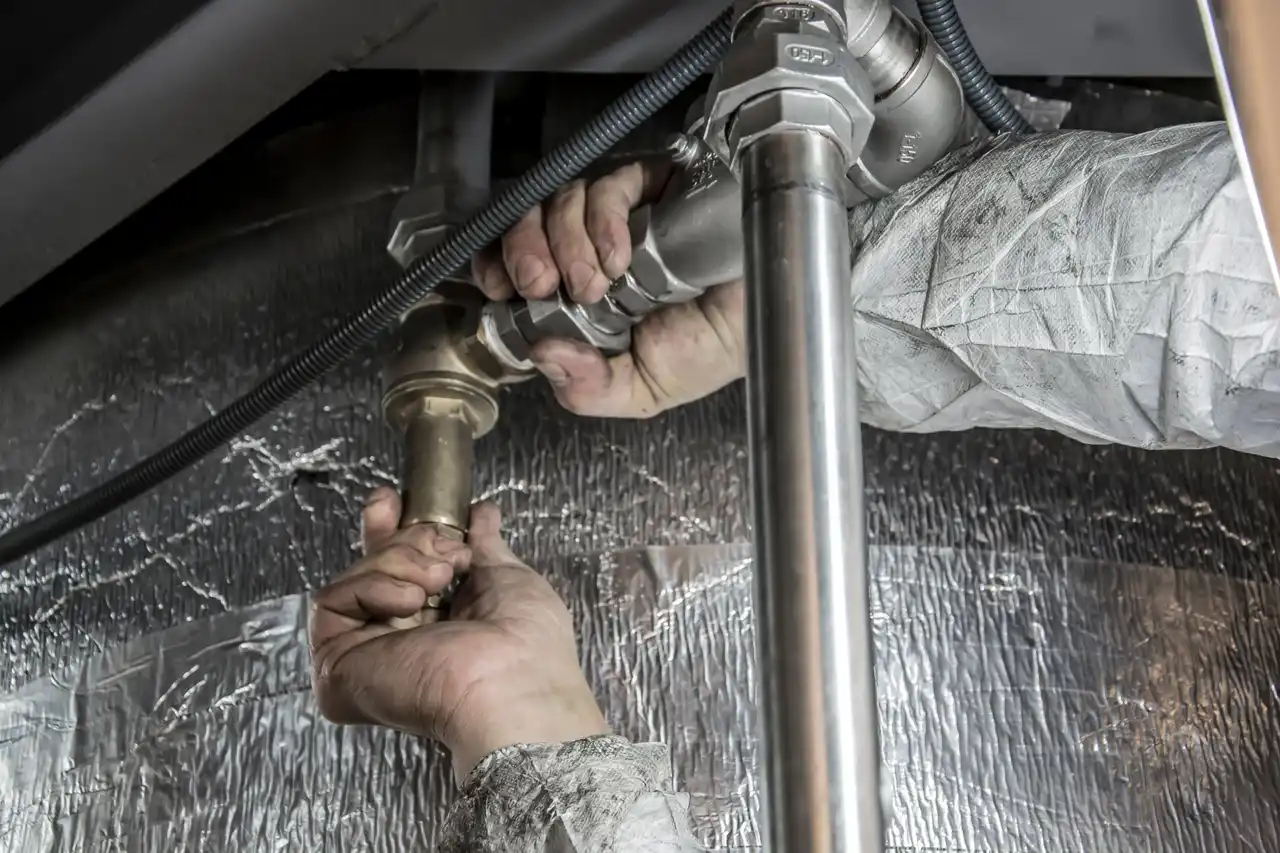
Call us at 5138278348 any time, day or night. We answer emergency calls 24/7 and schedule regular service calls Monday through Friday. If you prefer email, reach us at [email protected] and we'll get back to you the same day.