Focused arrival windows
Useful updates and clear arrival timing.
When sewage backs up into your basement, you need sewer line repair Cincinnati OH crews who can find the break fast and fix it without tearing up your whole yard. We handle sewer pipe repair Cincinnati homeowners and businesses call about most: root intrusion, collapsed clay tile, bellies in the line, and offset joints. We camera the line, show you the footage, and give you a straight price before we dig.
Useful updates and clear arrival timing.
Review the approach and price before deciding.
Equipped vehicles and respectful cleanup.
Neighbors serving neighbors with follow-through.
Every sewer job starts with a camera inspection and a written price. From there, what we do depends on what the camera finds. Here is what is standard on our sewer line repair service Cincinnati Ohio calls, and what we handle as an add-on when the situation calls for it.
We run a RIDGID SeeSnake camera through the cleanout and record the entire lateral. You see the footage live, we mark the failure point on the ground, and you get a copy of the video for your records.
You get a written price before we dig, covering labor, materials, permits, and standard restoration. If we hit something unexpected, we stop and get your approval before the price changes.
Sewer work in Cincinnati requires a permit and a final inspection. We pull the permit, schedule the city inspector, and hand you the signed-off paperwork when the job is done.
We dig the access pits or trench, shore the walls, and backfill with proper bedding and compaction. Standard restoration of lawn or gravel is included. Concrete and hardscape restoration is quoted separately.
After the repair, we hydro jet the new line, flush every fixture, and run the camera one more time to confirm flow and grade. You see the final footage before we pack up.
Share what is happening and receive a clear next step from the local team.
Sewer line repair Cincinnati OH is the excavation or trenchless rehabilitation of the pipe that carries waste from your home to the municipal main, performed when that pipe cracks, collapses, bellies, or gets choked by roots. The line usually runs from your foundation to the city tap in the street or easement, and it is your responsibility, not the city's. We run a pipe camera inspection through a cleanout, mark the depth and location of the failure, then choose between spot repair, pipe bursting, or a full replacement depending on how much of the run is compromised.
Most calls we take in Hamilton County start the same way: a floor drain gurgles, the laundry sink backs up, or you hear water running under the slab when nothing is on. Older neighborhoods like Northside and Price Hill still have original clay tile laterals that have been root-punched for decades, while post-war builds in Westwood and College Hill often have cast iron that has scaled shut. If you are searching for sewer line repair near me Cincinnati OH at 11 p.m. with standing water in the basement, we answer and roll.
You describe the symptoms: multiple fixtures backing up, sewage smell, gurgling, or water in the basement. We ask a few questions to figure out whether it is a main line issue or a single clog, then dispatch the closest truck. Most calls inside the I-275 loop get a tech on site within two hours.
We locate the cleanout, run a pipe camera inspection, and record the full length of the lateral. You see the footage in real time. We mark the failure point on the ground with paint so you know exactly where the problem is before anyone touches a shovel.
You get two or three clear options: spot repair, trenchless rehabilitation, or full replacement. Each comes with a flat price, a timeline, and what it means for your yard and driveway. You pick, we schedule, and the price does not move unless you approve a change.
For a spot fix, we excavate, cut out the damaged section, and couple in new PVC pipe with proper bedding and fall. For trenchless, we pull a new liner or burst the old pipe and pull new HDPE through. Most residential jobs finish in one to two days.
We run a hydro jetting machine through the new line, flush every fixture in the house, and camera the repair one more time to confirm flow and grade. Then we backfill, compact, and restore the surface. You get the footage, the permit paperwork, and a written warranty.
Pushed through the cleanout to record the full lateral. Lets us pinpoint cracks, roots, bellies, and offsets with exact depth measurements so we dig in the right spot.
High-pressure water jet that cuts roots and grease back to the pipe wall. Used before camera inspection and again after repair to confirm flow.
Mechanical cutting tools for heavy clogs and root masses. Used when jetting alone will not clear the line, or on pipes that cannot take full jetting pressure.
Acoustic and pressure tools that pinpoint slab leaks and underground leaks before we dig. Saves excavation in the wrong spot.
Breakers, shovels, and compactors used for trenching and backfill. Cordless Milwaukee gear keeps the job moving without tripping over cords in wet ground.
Standard hand tools for cutting out damaged sections and coupling in new pipe. Used on every spot repair, inside and out.
Used when we tie new PEX tubing into existing copper pipe or make quick repairs on interior lines uncovered during sewer work.
A resin-saturated liner is pulled through the existing pipe and inflated, then cured in place with heat or UV light. The result is a smooth, seamless new pipe inside the old one, with no joints for roots to enter. Works best on cracked, root-damaged, or offset lines that are still structurally round.
A bursting head is pulled through the old pipe, breaking it outward while pulling new HDPE pipe behind it. Used for collapsed or badly deteriorated lines where lining will not work. Requires only two small access pits instead of a full trench.
For isolated failures, we excavate the damaged section, cut it out, and couple in new PVC pipe with proper bedding and fall. The fastest and most cost-effective option when the damage is localized.
High-pressure water and cutting nozzles clear roots, grease, and scale from the line. Used as a standalone service on marginal lines and as prep before camera inspection or lining.
Every repair is built to the Ohio Plumbing Code and the Uniform Plumbing Code, including proper pipe material, bedding, fall, and cleanout placement. We pull the permit and schedule the inspection so you have paperwork on file.
We camera the line and find a root mass at 28 feet in the original clay tile lateral. We hydro jet the roots out, then install a CIPP liner to seal the cracked joints and prevent regrowth. The line flows freely, the basement stays dry, and the homeowner avoids a full replacement. Total job time: one and a half days.
We roll an emergency crew, jet the line to restore flow, and camera it. The grease build-up has cracked a section of the lateral. We schedule a spot repair for the next morning and keep the kitchen open that night. The restaurant never closes. The repair is done before Saturday lunch service, and the city inspection passes the following week.
We camera the line, confirm the collapse at 40 feet, and recommend pipe bursting instead of excavation. We dig two small pits, burst the old clay pipe, and pull new HDPE through in one day. The parking pad stays intact, tenants keep their parking spots, and the new line carries a 50-year warranty.
We run a camera and find a cracked section of PVC pipe with a slow leak. We excavate the spot, replace the damaged section, and re-bed the pipe with proper fall. The leak stops, the smell clears within a day, and the yard patch dries out. The repair is covered under our written warranty.
Cincinnati sewer work is shaped by three things: the age of the housing stock, the soil, and the freeze-thaw cycle. Neighborhoods like Northside, Walnut Hills, and Price Hill still have original clay tile laterals from the 1910s and 1920s, and those pipes have been root-punched for a century. Post-war builds in Westwood, College Hill, and Bond Hill often have cast iron that has scaled shut. Newer suburbs like Mason, West Chester, and Deer Park have PVC pipe, but even PVC fails when the soil moves. Cincinnati sits on a mix of clay, shale, and fill, and every winter freeze-thaw cycle shifts that soil and stresses the pipe. That is why we see so many offset joints and bellies here. If you are searching for collapsed sewer line repair Cincinnati OH, the answer is usually a camera inspection first, then a decision between spot repair, lining, or replacement. We run crews seven days a week across Hamilton County, and we pull the Cincinnati permit and schedule the city inspection on every job. Our repairs meet the Ohio Plumbing Code, and we leave you with the camera footage, the permit paperwork, and a written warranty.
Heavy concentration of 1920s clay tile laterals. Root intrusion is the number one call we get here, and CIPP lining is usually the best fix.
Mix of older clay tile and mid-century cast iron. Mature trees mean aggressive root systems, and many lines need jetting before camera inspection.
Post-war homes with cast iron laterals that have scaled shut. We often find the pipe is still structurally sound and only needs jetting and lining.
Older multi-unit buildings with shared laterals. Sewer problems here affect multiple tenants, so we prioritize emergency response and clear communication with property managers.
Newer PVC lines, but the soil is heavy clay and shifts with freeze-thaw. We see offset joints and bellies more than root intrusion here.
Causes offset joints, bellies, and cracked pipe. We account for this by bedding new pipe in gravel and compacting in lifts, which reduces the chance of the repair failing in the next few winters.
Roots from maples, oaks, and sycamores find every crack in clay tile. We jet and camera every line before repair, and we recommend lining to seal joints so roots cannot re-enter.
These pipes are at end of life. Spot repairs buy time, but most homeowners in these neighborhoods eventually need a full lining or replacement. We tell you straight which one you are looking at.
Sewer work requires a permit and a final inspection. We pull the permit, schedule the inspector, and hand you the signed paperwork so you are covered when you sell the house.
A homeowner in Northside had sewage backing up into the basement every time it rained. The original 1920s clay tile lateral was full of roots at 30 feet, with three cracked joints. Two previous plumbers had snaked it, and the backup returned within weeks each time.
We hydro jetted the roots out, cameraed the line, and installed a CIPP liner through the full 45-foot run. The new liner sealed all three cracked joints and left a smooth bore with no gaps. Flow test passed the same day, and the basement has stayed dry through two rainy seasons since.
Maintenance: We recommend a camera inspection every two years and a light hydro jet every 18 months to keep the line clear. The liner carries a 50-year warranty.
A collapsed cast iron line under a concrete driveway in Oakley meant no flow at all. The homeowner had a flooded basement and could not use any water in the house. A full excavation would have meant tearing out 20 feet of driveway.
We used pipe bursting to pull new HDPE pipe through the old cast iron, digging only two small access pits at either end. The driveway stayed intact. The job took one day, and the new line carries a 50-year warranty. The homeowner had water back the same evening.
Maintenance: No special maintenance needed on HDPE. We recommend an annual camera check for the first two years, then every three years after that.
A homeowner in Anderson Township had a slow-draining house and a soggy patch in the yard. The camera showed a belly at 25 feet holding standing water, plus two offset joints from soil movement. Every few months the line would clog and need snaking.
We excavated the belly section, re-graded the pipe with proper fall, and replaced the two offset joints with new PVC pipe. We bedded the new pipe in gravel and compacted in lifts. The line has not clogged once in the year since, and the yard patch dried out within a week.
Maintenance: We recommend an annual camera inspection for the first two years to confirm the grade is holding. After that, every two years is enough.
Most sewer calls fall into a handful of categories. Here are the ones we see most, what happens if you ignore them, and how we fix them.
Roots grow into the pipe every spring, causing repeat backups that get worse each year. Eventually the pipe collapses and you are looking at a full replacement instead of a spot repair. We cut the roots with a hydro jetting machine, camera the line, and either line the pipe with a CIPP liner or replace the damaged section with new PVC pipe. We also treat the joint so roots do not immediately grow back.
A collapsed line means no flow at all. Sewage backs up into the lowest drain in the house, usually the basement floor drain, and you cannot use any water until it is fixed. We camera the line to confirm the collapse point, then either excavate and replace the section or use pipe bursting to pull new HDPE through the old pipe without tearing out the driveway. Most driveway collapses get fixed in two days.
A belly is a low spot in the pipe where water and solids pool. It clogs constantly, smells, and eventually sags into a full collapse. Snaking it only buys you a few weeks. We locate the belly with the camera, then either re-grade that section by excavation or line the pipe to restore a continuous fall. You get a camera-verified fix, not another temporary snake job.
Cincinnati's clay and shale soil moves with every freeze-thaw cycle. Offset joints catch debris, snag toilet paper, and eventually block the line completely. We camera the offsets, measure the displacement, and either grind the joint smooth or replace the section. If multiple joints are offset, we recommend a full lining to restore a smooth bore.
A slab leak under the foundation soaks the soil, causes foundation movement, and can flood the basement. It also runs up your water bill without any visible sign inside the house. We use leak detection equipment to pinpoint the leak, then camera the line to confirm the source. From there we either spot-repair the pipe or reroute the line, depending on how much of the run is compromised.
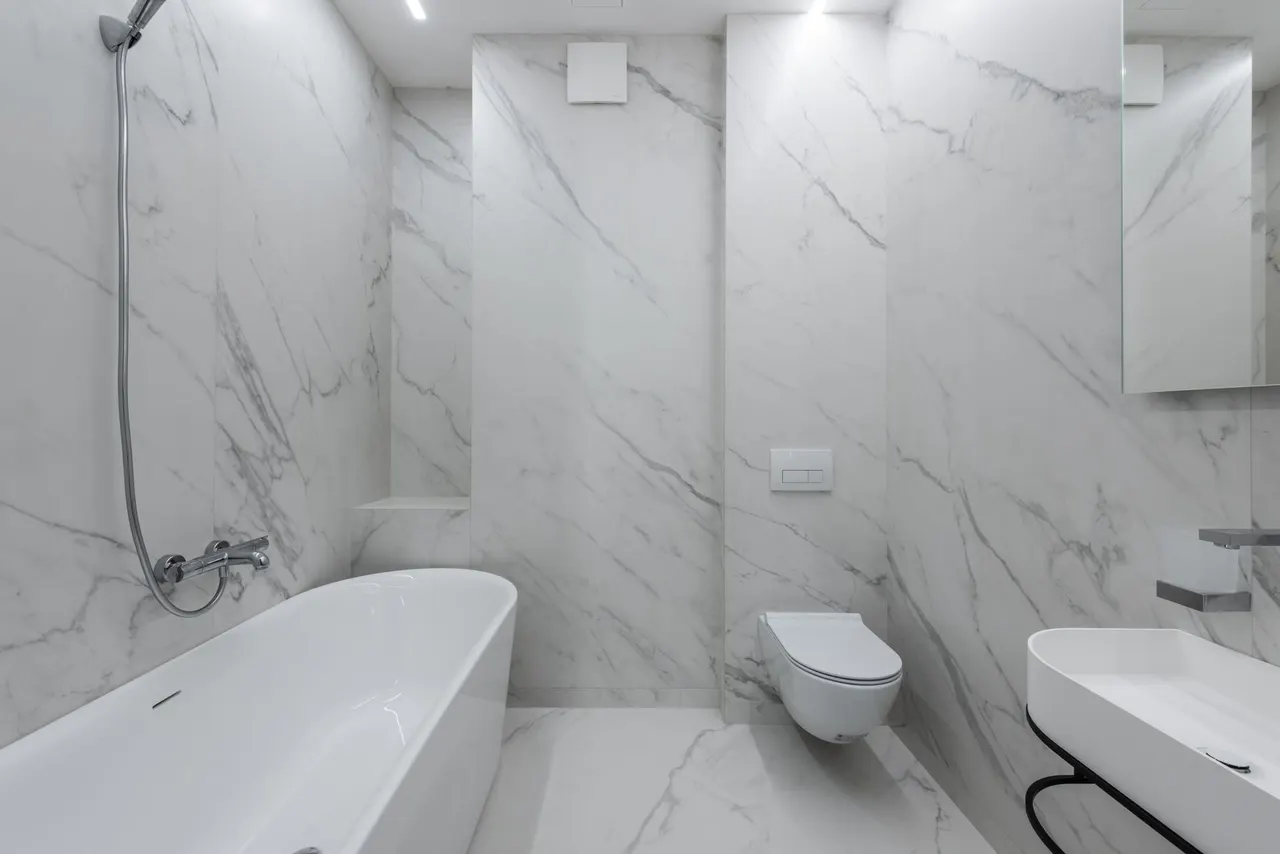
Our technicians hold Ohio plumbing licenses and work under a master plumber license on every permitted job. We carry backflow prevention certification and OSHA safety certification, and we train on the Uniform Plumbing Code and Ohio Plumbing Code every year. That matters here because Cincinnati sits on a mix of clay, shale, and fill, and the soil moves with every freeze-thaw cycle. We have run cameras through laterals in Hyde Park, Oakley, Clifton, and Anderson Township, and we know what a 1920s clay tile line looks like versus a 1970s cast iron run. That experience is why we can usually tell you on the phone whether you are looking at a spot repair or a replacement.
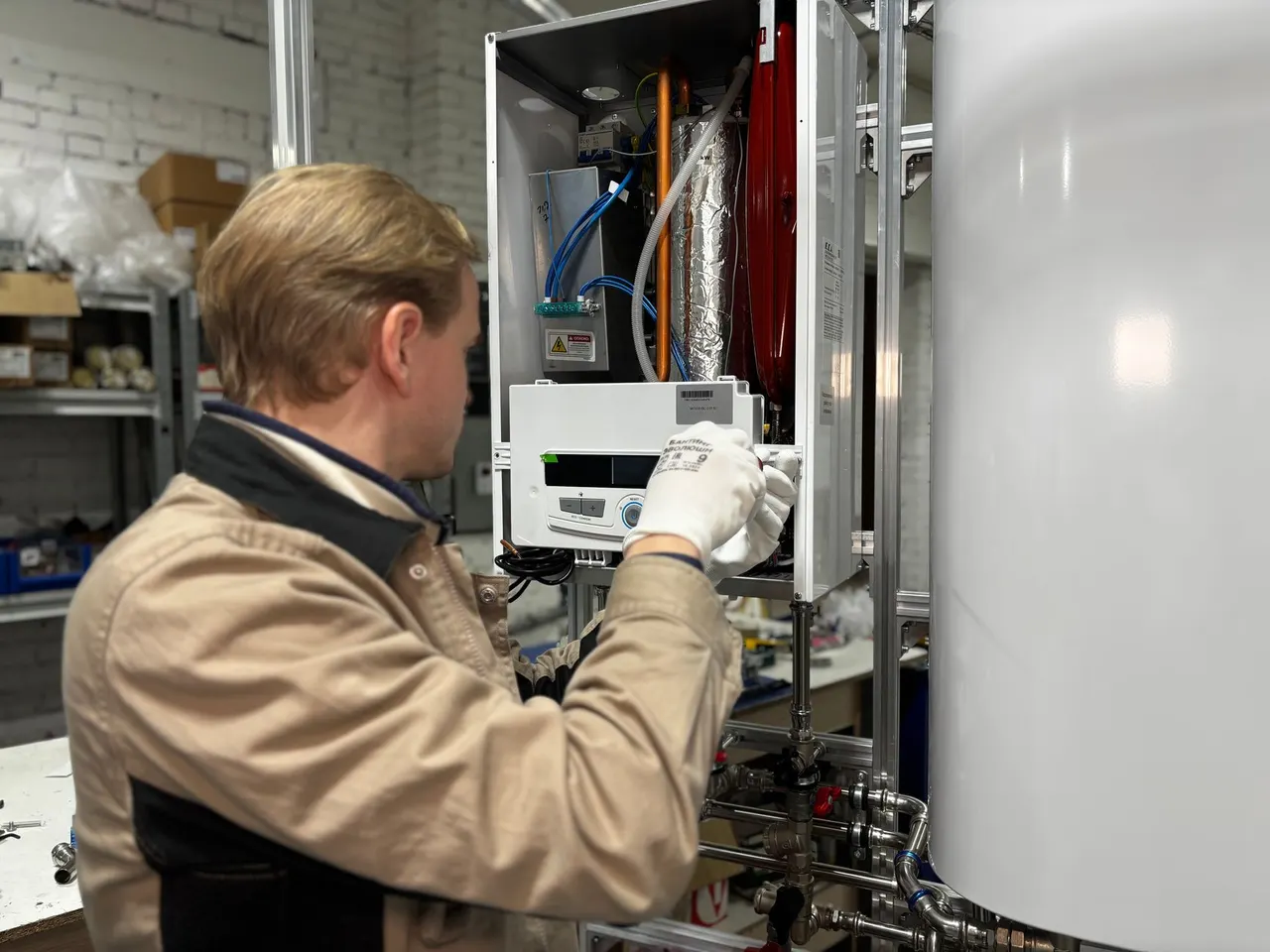
Sewage backed up into our basement on a Sunday night. Called at 10 p.m., had a tech on site before midnight. He cameraed the line, showed us a massive root ball at 32 feet, and had it cleared and repaired by Tuesday morning. Flat price, no overtime surprise. The camera footage was the part that sold me. We could see exactly what we were paying for.
We had three quotes for a sewer line replacement, and these guys were the only ones who showed us the camera footage before quoting. They recommended trenchless instead of a full dig, which saved our driveway and the maple tree in the front yard. Two days of work, and the yard looks untouched. The city inspection passed first time.
I manage six older buildings in Clifton and Northside, and sewer backups are my nightmare. These guys have handled four emergency calls for me in the last year. They answer the phone at 3 a.m., they show up, and they send me the camera footage and invoice the same day. That is rare. I do not call anyone else for sewer work now.
Most spot repairs run $1,800 to $4,500, and full replacements typically land between $6,000 and $15,000 depending on depth, length, and surface restoration. Trenchless lining usually sits in the middle of that range. The biggest cost drivers are how deep the line sits, whether we are cutting concrete or lawn, and how much of the run is damaged. We give you a flat written price after the camera inspection, so you know the number before we dig.
The three biggest tells are multiple fixtures backing up at once, a sewage smell in the basement or yard, and unusually green or sunken patches of grass over the line. Gurgling toilets and slow drains across the whole house point to a main line problem, not a single clog. If you see any of those, call us for a camera inspection. We can usually confirm a break in under an hour.
Yes. We do trenchless sewer repair Cincinnati OH with both CIPP lining and pipe bursting, depending on the pipe material and condition. Trenchless works best on lines that are cracked, root-damaged, or offset but still structurally round. If the line has collapsed or bellied badly, we will tell you straight and recommend replacement. Either way, you get the camera footage and a clear recommendation.
A spot repair usually takes one day, start to finish. Trenchless lining runs one to two days. A full replacement with excavation typically takes two to four days, plus any concrete or landscaping restoration. Weather and permit inspection timing can add a day. We give you a realistic schedule up front and call you if anything shifts, so you are not stuck wondering when the crew is coming back.
Not seeing your question? Our local team can help you understand urgency, scheduling and what to expect.
Ask the local team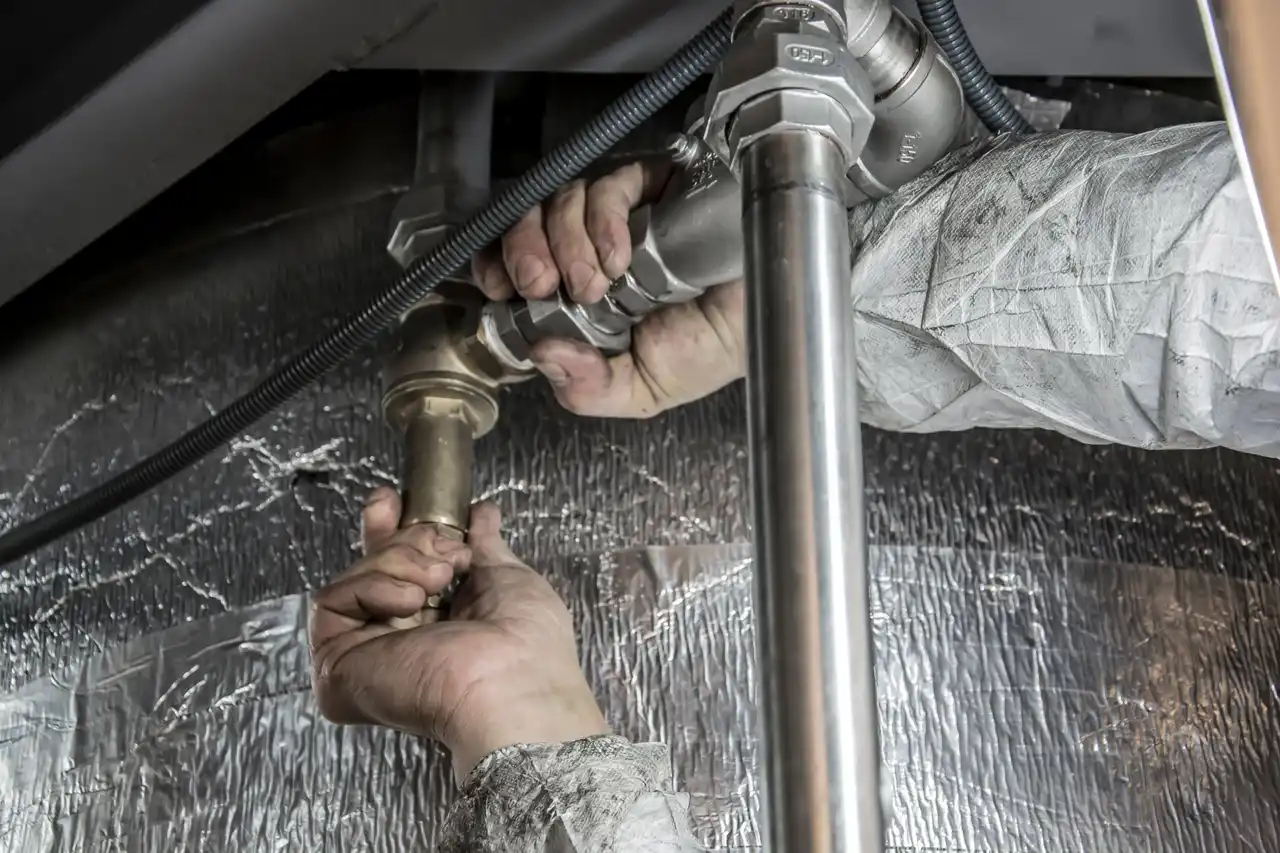
When a sewer backup hits at 2 a.m., our emergency crews roll with pumps, augers, and cameras. We stop the flooding first, then diagnose the line and schedule the repair. Most emergency calls inside the I-275 loop get a tech on site within two hours.
View service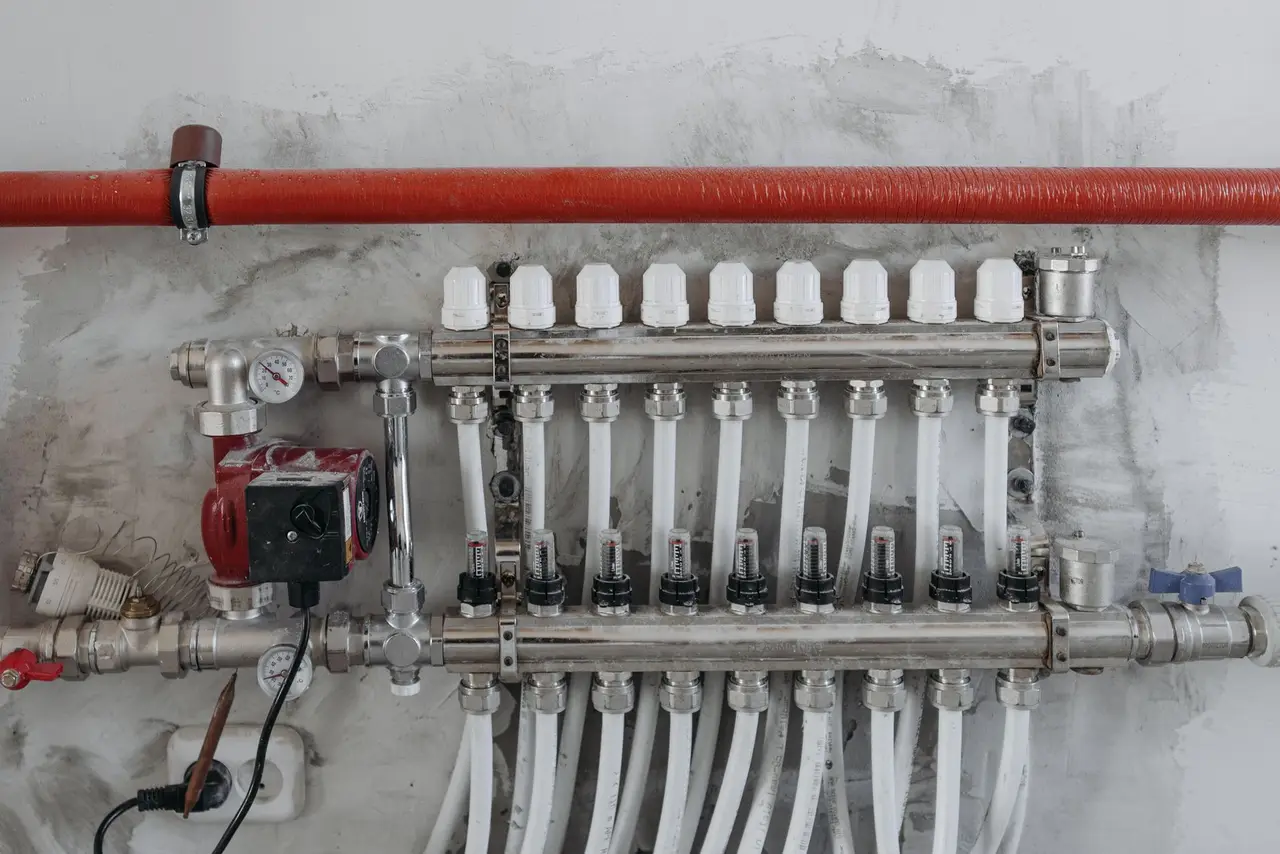
Sewer problems rarely travel alone. If your sewer line failed, your interior drains, toilets, and fixtures may need attention too. We handle everything from a running toilet to a full repipe under one roof, so you are not juggling three contractors.
View service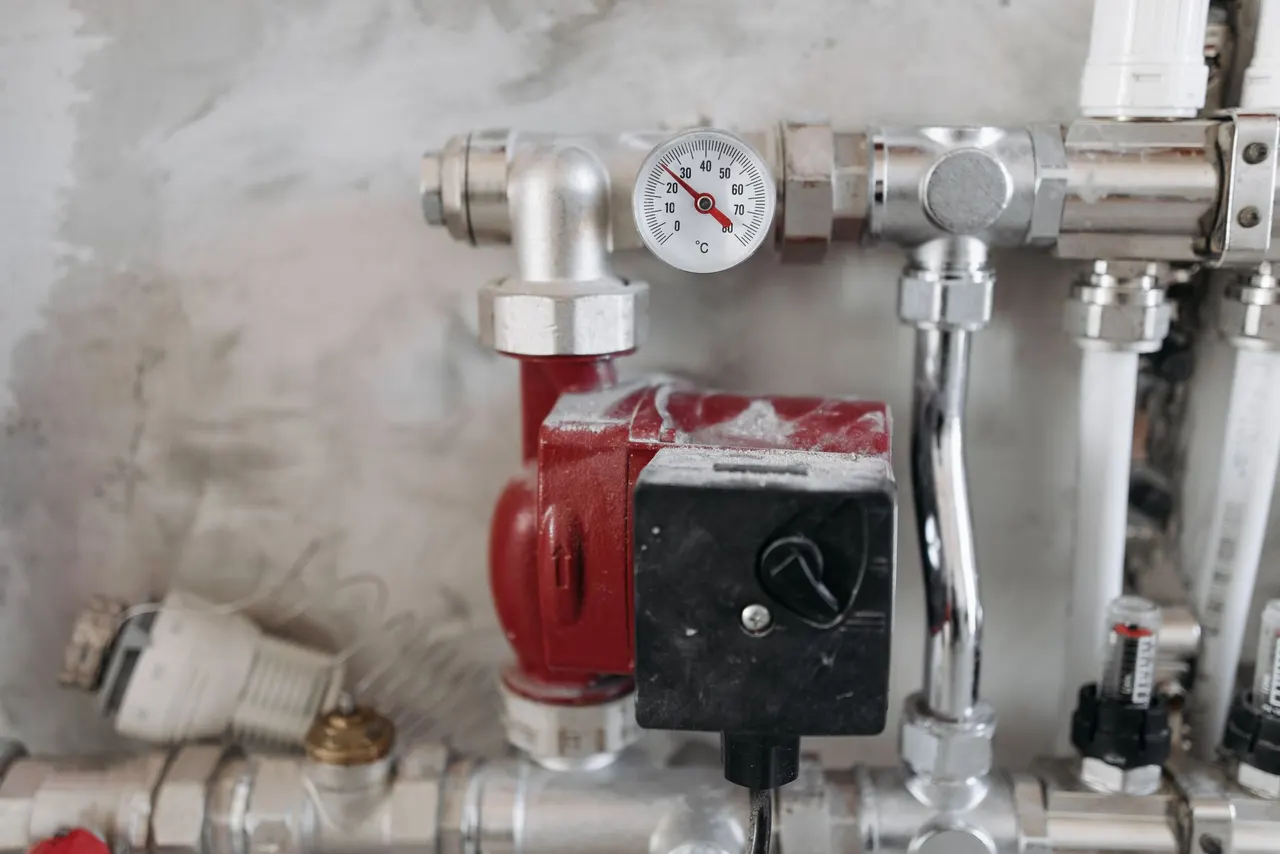
Restaurants, salons, and multi-unit buildings in Cincinnati put heavy load on their sewer lines. Grease, hair, and volume kill laterals fast. We schedule after-hours sewer work so your business stays open and your customers never see a backup.
View service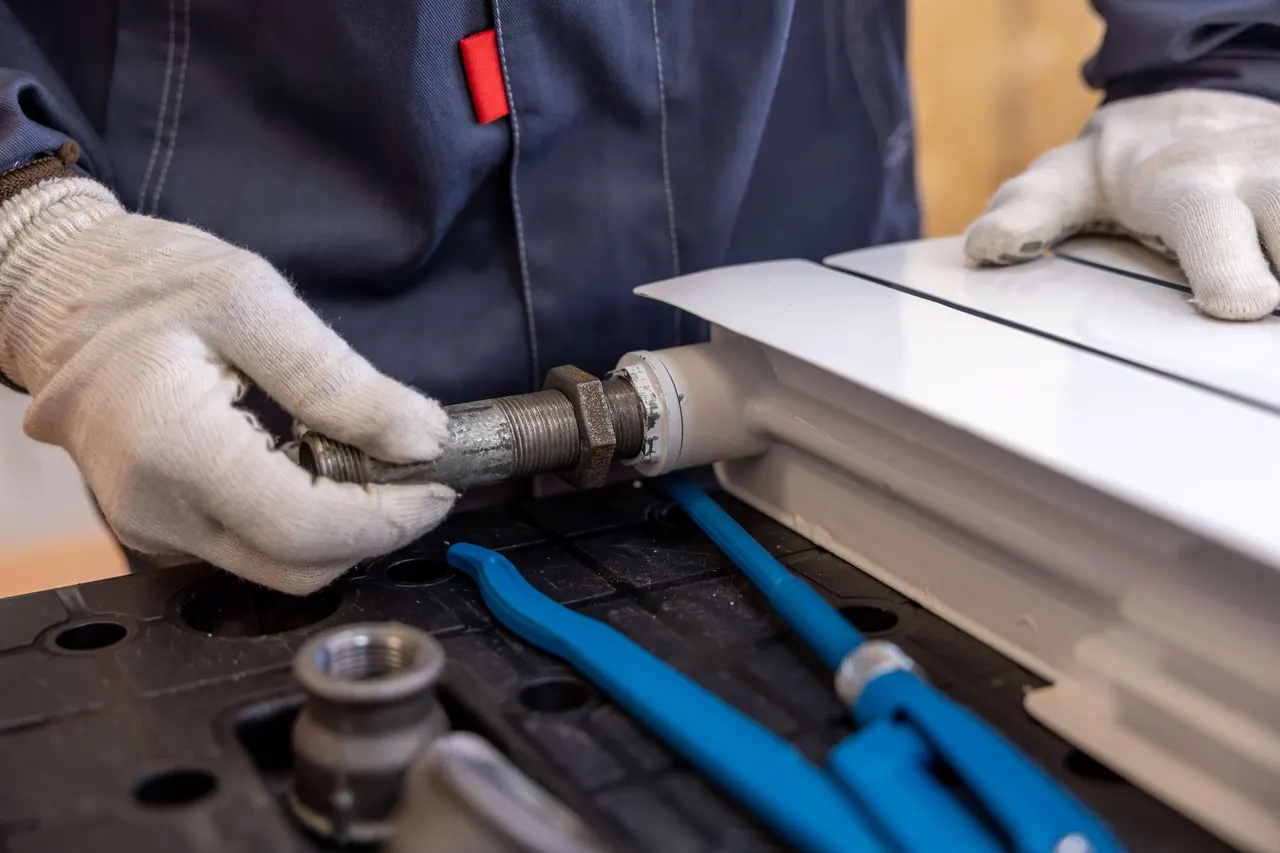
A sewer line repair often uncovers other issues: failing shutoffs, corroded copper pipe, or a slab leak nearby. Our techs handle those repairs in the same visit, so you are not paying another trip charge for a five-minute fix.
View serviceCall us at 5138278348 any time, day or night. We answer emergency calls 24/7 and schedule regular service calls Monday through Friday. If you prefer email, reach us at [email protected] and we'll get back to you the same day.