Focused arrival windows
Useful updates and clear arrival timing.
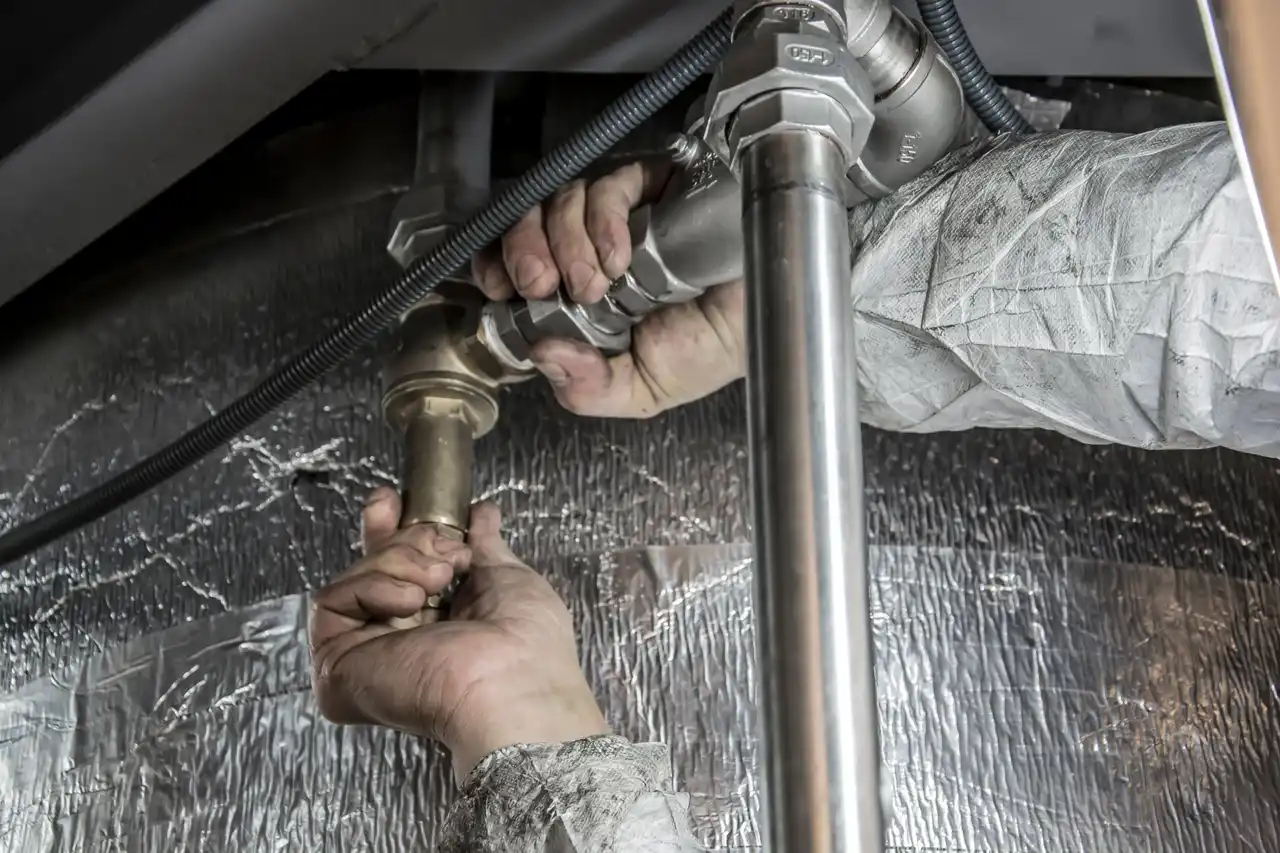
If your Cincinnati home keeps springing leaks, losing pressure, or turning water brown, repiping Cincinnati OH is the permanent fix. We replace failing galvanized or polybutylene lines with copper pipe or PEX tubing, run new shutoffs, and pressure-test every run before we close the walls. One crew, one inspection, one price. Call 513-827-8348 and we'll walk your basement and give you a straight answer the same day.
Useful updates and clear arrival timing.
Review the approach and price before deciding.
Equipped vehicles and respectful cleanup.
Neighbors serving neighbors with follow-through.
Every repipe we quote includes the same core scope. If something is not on this list, we tell you up front so there are no surprise line items when the invoice comes.
Every hot and cold supply line in the house gets replaced, from the main shutoff to each fixture stub. Copper pipe in exposed runs, PEX tubing behind walls, brass fittings at every transition, and Teflon tape on threaded connections.
Every fixture gets a new quarter-turn shutoff. That means the next time you need to fix a faucet or swap a toilet, you can isolate it without killing water to the whole house. Old gate valves get replaced, not reused.
We pull the permit with the city, schedule the rough-in inspection, and meet the inspector on site. You get the signed-off paperwork at the end, which matters for resale and insurance.
We reconnect your existing water heater to the new lines, replace the flex connectors, and check the anode rod while we are there. If the heater is on its last legs, we can quote a replacement during the same job.
We close the access holes we cut and patch the drywall so it is ready for paint. Full paint matching is not included, but the patch is smooth and sanded. Most customers touch up with leftover paint from the garage.
Before we close anything up, the new system is pressure-tested at 100 psi. After fixtures are reconnected, we flush every line and check for leaks at every joint, shutoff, and supply connection.
Share what is happening and receive a clear next step from the local team.
Repiping Cincinnati OH means pulling out every supply line in the house and running new pipe from the main shutoff to each fixture. We cut into walls and ceilings where we have to, sweat or crimp new runs, tie in the water heater, and restore pressure at every tap. It is not a patch job. A full repipe replaces the horizontal runs in the basement, the vertical stacks, and the branch lines feeding kitchens, baths, and laundry. Most homes here get copper pipe in exposed runs and PEX tubing behind drywall, joined with brass fittings and SharkBite connections where a torch is not safe.
Old Cincinnati housing stock is the main reason people call us. Neighborhoods like Northside, Price Hill, and College Hill are full of 1900s-era homes still running original galvanized steel, which rusts from the inside and chokes flow down to a trickle. Others were built in the 1970s and 1980s with polybutylene that gets brittle and splits at the fittings. If you have been hunting for repiping near me Cincinnati OH because your third leak this year just soaked the ceiling, that is the pattern. We also handle whole house repiping cost Cincinnati Ohio questions up front so you know the number before we start cutting.
We come out, trace the existing lines, check the main shutoff and meter, and look at what is behind the walls. You get a written price the same visit, broken down by fixture count and pipe material. No hourly surprises. Most quotes take about 45 minutes.
We pull the permit with the city and confirm the layout against the Ohio Plumbing Code. If we are running PEX, we map the manifold location. If copper, we plan the solder joints and where we need access panels. This step usually takes one to two business days.
Day one is cutting access and pulling old pipe. We protect floors, bag debris, and keep the main on until the last possible moment. Rough-in of new copper pipe or PEX tubing typically runs two to three days for a standard 2,000-square-foot house.
Every new run gets pressure-tested before drywall goes back. We hold the system at 100 psi and watch the gauge. The city inspector signs off on the rough-in, then we close walls, patch, and tie fixtures back in. This phase is usually one day.
We reconnect toilets, sinks, showers, and the water heater, flush the lines, and check every shutoff. Then we walk the house with you, show you the new main valve, and hand over the permit paperwork and warranty. Total job is typically four to six days.
For making copper and PEX connections without an open flame in tight spots, near studs, or anywhere a soldering torch would be a fire risk. Faster and cleaner than sweating every joint.
For securing PEX tubing to brass fittings with copper crimp rings. Every crimp is gauged to confirm it is within spec before the wall closes.
For copper pipe joints where a sweated connection is the right call, like at the main shutoff and water heater tie-in. We use lead-free pipe solder and flux.
For clean, square cuts on copper and PEX. A square cut is what lets a fitting seal properly, so we do not use a hacksaw on supply lines.
For confirming what is actually inside the pipe before we quote. We can see corrosion, scale, and failing joints without opening a wall.
For pinpointing where water is coming from before we start cutting. Especially useful on slab leaks and hidden runs in finished basements.
For demo and rough-in. Cordless cutters and presses speed up the job and keep the work area cleaner than torch-and-hacksaw methods.
Every repipe is laid out to code for pipe sizing, support spacing, and backflow protection. We pull the permit and meet the inspector at rough-in, so the install is documented and legal.
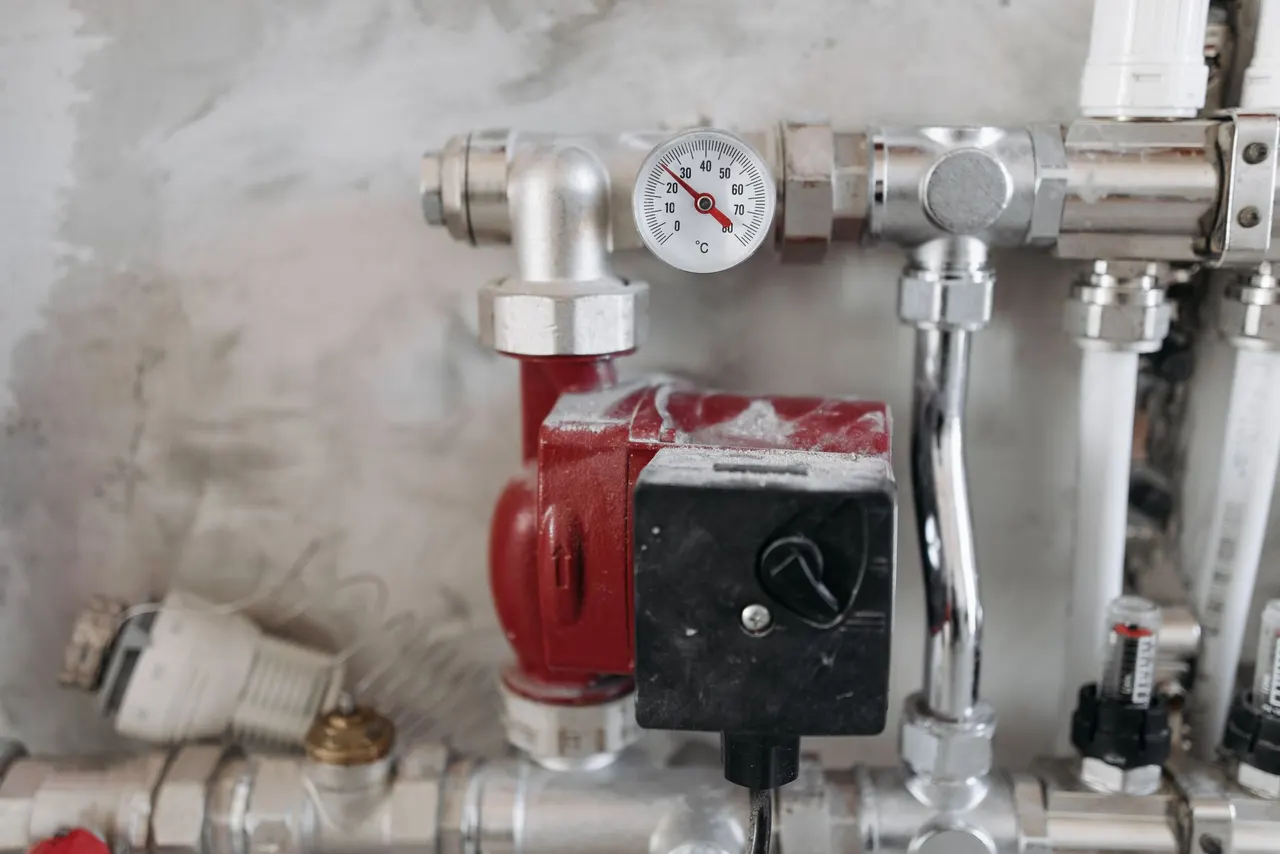
Before any wall closes, the new system is charged to 100 psi and held. If the gauge moves, we find the joint and fix it. This is the step that catches the leaks you would otherwise find six months later.
For PEX repipes, we run home runs to a central manifold so each fixture has its own line. That means fewer fittings behind walls and the ability to isolate a single fixture without shutting down the house.
For copper repipes, we sweat joints with lead-free solder and brass fittings. Copper lasts 50-plus years and adds resale value, which is why a lot of Hyde Park and Indian Hill homeowners choose it.
Any supply line that runs through an exterior wall, crawlspace, or unheated garage gets pipe insulation. It is a small add-on that prevents a frozen pipe call in January.
We walk the house, confirm how much of the original steel is left, and quote a full repipe with copper in the basement and PEX in the walls. Permits and inspection included. You close on the house knowing the supply system is new, and you have paperwork to show your insurer.
We run a pipe camera inspection, confirm the pipe is failing system-wide, and schedule a whole house repipe. We keep water on until the rough-in day so you can stay in the house. No more surprise leaks. One job, one invoice, five-year workmanship warranty.
We repipe the kitchen and bath runs while the walls are exposed, tie in new shutoffs, and rough in for the new fixtures. Faster and cheaper than coming back after drywall. New pipe behind new walls, no second round of demo, and the remodel stays on schedule.
We remove every foot of poly, replace it with PEX tubing, and provide documentation for your carrier. Most jobs wrap in four to five days. Insurance satisfied, pressure restored, and no more brittle pipe waiting to split.
We quote a repipe with a firm timeline, pull the permit, and coordinate with your realtor so the inspection sign-off lands before closing. Deal stays on track, buyer gets a documented repipe, and you avoid a price concession.
Cincinnati's housing stock is the biggest factor in how a repipe goes. The city has everything from 1850s rowhouses in Over-the-Rhine to 1990s subdivisions in Mason, and each era brings its own problems. Pre-1960 homes usually have galvanized steel that has rusted from the inside out. Homes built between 1978 and 1995 often have polybutylene, which insurers in Ohio increasingly refuse to cover. Plaster walls in older neighborhoods like Clifton and Walnut Hills take longer to open and patch than drywall, so we plan an extra day on those jobs. Winter freezes are the other local factor. Cincinnati gets enough hard freezes each year to split pipe in exterior walls and unheated crawlspaces, which is why we reroute vulnerable runs into heated space during a repipe and insulate anything that stays exposed. If you are weighing whole house repiping cost Cincinnati Ohio against another round of patch repairs, the math usually favors the repipe once you have had two or more leaks in a year. We work to the Ohio Plumbing Code, pull permits through the city, and coordinate with Hamilton County inspectors on every job.
Lots of 1800s rowhouses with original galvanized supply lines and shared walls. We plan access carefully so we are not cutting into a neighbor's ceiling.
Mix of 1920s foursquares and later infill. Plaster walls and finished basements mean more patching, but the repipe scope is usually straightforward.
Many homes still on galvanized steel with low pressure at the second floor. Full repipes here often restore pressure that has been dropping for decades.
Newer builds, but plenty of 1980s and 1990s homes with polybutylene. Insurers in this area frequently require documentation that the poly is gone.
Older housing stock with a lot of DIY plumbing layered over the years. We sort out what is original, what is patchwork, and what actually needs to come out.
Supply lines in exterior walls or unheated crawlspaces are at risk. We reroute them into heated space and insulate anything that stays exposed, which prevents most winter burst-pipe calls.
Opening and patching plaster takes longer than drywall and needs a different finish. We plan an extra day on these jobs and patch smooth so it is ready for paint.
We often have to open soffits or ceilings to access horizontal runs. We map the layout first so we cut the minimum number of access points.
Scale builds up in old pipe and shortens water heater life. During a repipe we check the anode rod and can add a softener tie-in if you want one.
Original galvanized supply lines throughout, pressure at the upstairs shower was a dribble, and the homeowner had patched three leaks in 18 months. Brown water out of the kitchen tap every morning.
Full copper repipe in the basement and PEX in the walls, new shutoffs at every fixture, water heater reconnected with new flex lines. Pressure at the upstairs shower measured 58 psi after the job, up from 22 psi before.
Maintenance: Flush the water heater annually, check the anode rod every two years, and keep the new main shutoff exercised once a season so it does not seize.
Polybutylene pipe throughout, insurer had sent a non-renewal letter, and the homeowner had already had two fitting failures. Walls were closed and the pipe was hidden.
Every foot of poly removed and replaced with PEX tubing on a manifold layout. New shutoffs, new supply lines to all fixtures, permit pulled and inspection signed off. Documentation provided to the insurer.
Maintenance: Exercise the manifold valves twice a year, keep the inspection paperwork with the home records, and check under sinks once a year for any weeping at the supply connections.
Two pinhole leaks in copper within six months, both in the same wall cavity. Homeowner wanted to know whether to patch again or repipe the whole house.
Camera inspection showed widespread internal corrosion. Full repipe with new copper in exposed runs and PEX behind walls. Pressure test held at 100 psi, all fixtures reconnected, drywall patched and sanded.
Maintenance: Keep an eye on water pressure at the main, run the shutoffs once a year, and have the system pressure-checked if you ever notice a drop at multiple fixtures.
Most Cincinnati homeowners call us after the third or fourth leak. Here are the problems we see most often, and what happens if you keep patching instead of repiping.
Iron and sediment from corroded galvanized pipe stains laundry, clogs aerators, and shortens the life of every fixture and appliance in the house. We pull the old steel, run new copper or PEX, and flush the system. Water clears within a day. We also check the water heater anode rod while we are there, since sediment often settles there too.
Rust closes the inside of old pipe until a second-floor shower barely runs. You end up scheduling showers around laundry and dishes, and it only gets worse. New pipe restores full flow to every fixture. We size the runs correctly for the fixture count, so a two-bath house in Oakley gets proper pressure at both showers at the same time.
Each pinhole leak means another drywall cut, another repair bill, and another chance of water damage behind a wall you cannot see. Insurance carriers start asking questions after the third claim. A full repipe ends the cycle. Every joint is new, pressure-tested, and warrantied. No more chasing leaks through drywall every spring when the ground shifts.
Polybutylene gets brittle and splits at the fittings, often without warning. Many insurers will not write or renew a policy on a home with poly pipe still in the walls. We remove every foot of polybutylene and replace it with PEX or copper. You get documentation showing the pipe is gone, which satisfies insurers and home inspectors.
Older Cincinnati homes often have supply lines run through exterior walls or unheated crawlspaces. A hard freeze splits them, and you come home to water pouring through the ceiling. During a repipe we reroute vulnerable runs into heated space, add pipe insulation, and install new shutoffs so you can isolate a section fast if it ever does freeze.
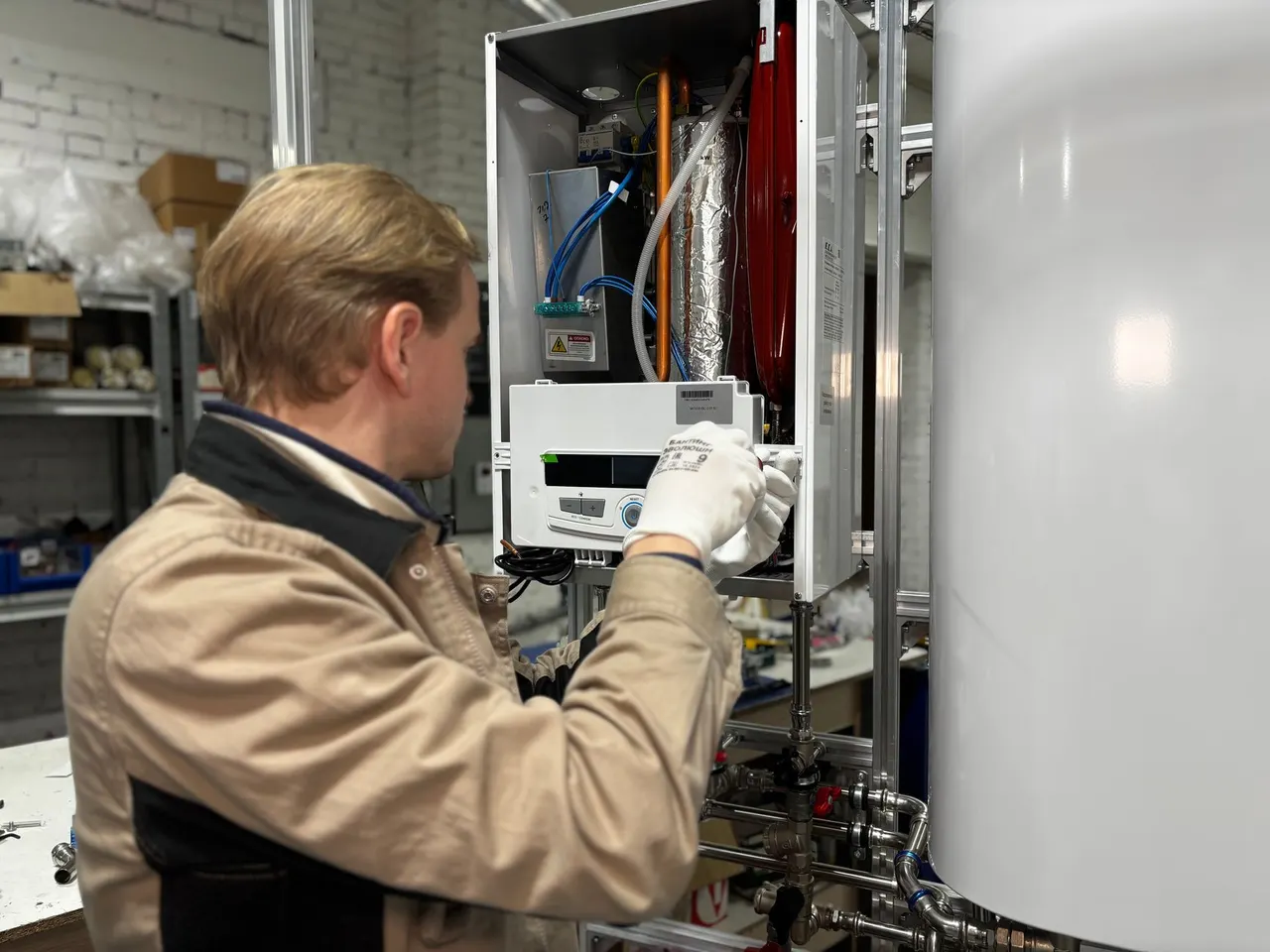
Our 1912 house had galvanized pipe that was rusting shut. Third leak in two years, and I was done patching. The crew repiped the whole house in five days, kept water on until day three, and pressure-tested everything before closing the walls. Pressure at the upstairs shower is night and day. They also pulled the permit and met the inspector, which I appreciated.
We had polybutylene pipe from the 80s and our insurance was asking questions. Got three quotes, and these guys were the only ones who explained copper versus PEX without pushing one. We went PEX, saved about $2,000, and the job wrapped in four days. They patched the drywall clean and hauled everything off. No leaks three months in.
Called on a Tuesday about brown water and low pressure. They came out Wednesday, confirmed the supply lines were shot, and had us quoted by end of day. Repipe started the following Monday. Six days total for a 2,800-square-foot house. The lead walked me through the new main shutoff and showed me the pressure test. Straight answers, no upsell.
Most full repipes in Cincinnati run $4,500 to $12,000 in 2026, depending on house size, fixture count, and whether you choose PEX or copper. A 1,500-square-foot ranch with PEX often lands near the low end; a 3,000-square-foot two-story with copper and lots of access work lands higher. Partial repipes start around $1,800. We give you the exact number after a walkthrough.
A typical whole-house repipe takes four to six working days from demo to final walkthrough. Smaller homes can wrap in three days; larger homes with plaster walls or finished basements can stretch to eight. Water is off during the rough-in phase, usually two to three days, and we schedule that stretch around your family's needs whenever we can.
Yes. Whole house repiping Cincinnati is our core service, and we handle everything from the main shutoff to every fixture. That includes new shutoff valves, water heater tie-in, and permits. We serve Cincinnati and the surrounding suburbs, from Downtown and Over-the-Rhine out to Blue Ash, Mason, and Anderson Township.
The big four: rusty or brown water, dropping pressure at multiple fixtures, repeated leaks in different spots, and visible corrosion on exposed pipe in the basement. If your home was built before 1960 with galvanized steel, or between 1978 and 1995 with polybutylene, you are on borrowed time. A pipe camera inspection confirms it in about an hour.
Not seeing your question? Our local team can help you understand urgency, scheduling and what to expect.
Ask the local team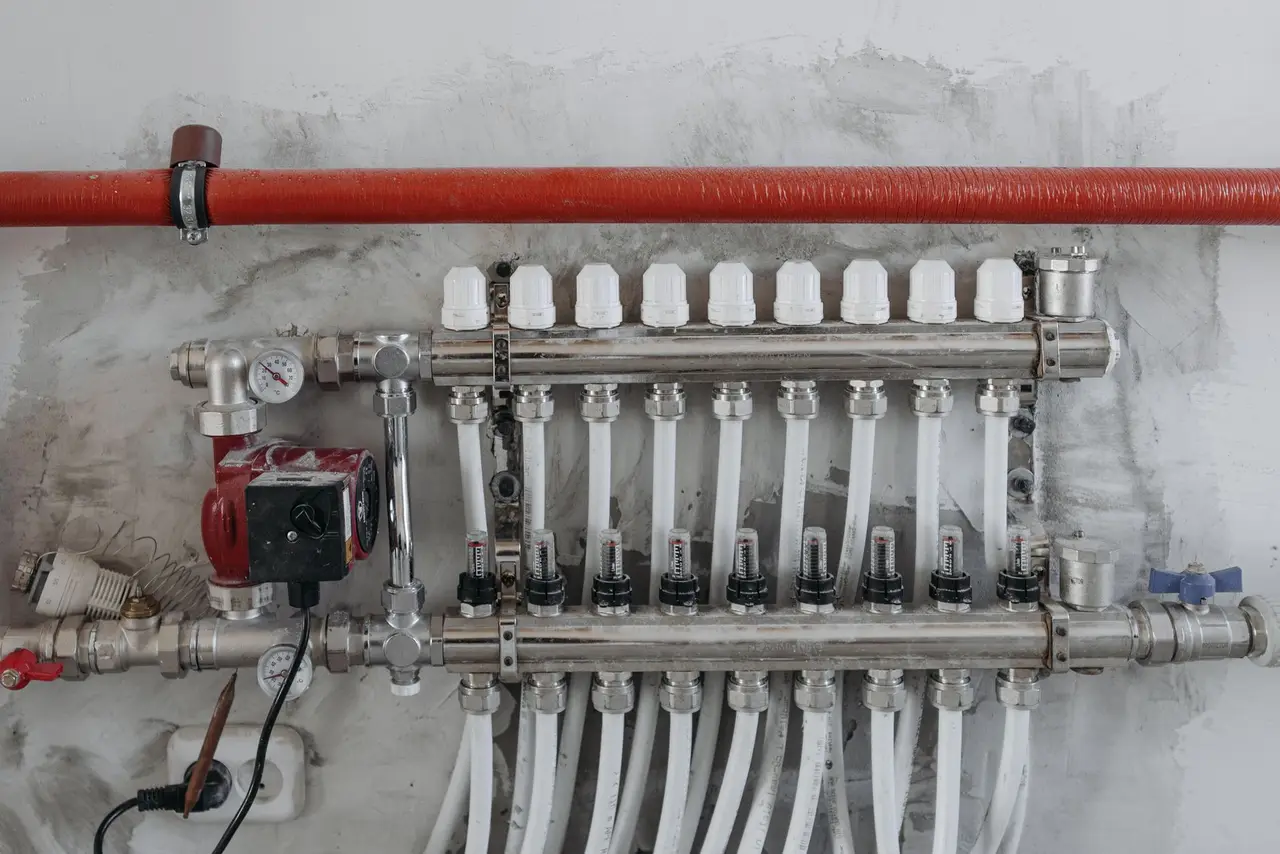
If a pipe bursts before we start your repipe, we are on call 24/7 across Cincinnati. We shut the water, stop the damage, and can often fold the emergency repair into the repipe scope so you are not paying twice for the same wall to be opened.
View serviceRepiping is the biggest residential job we do, but it is not the only one. From a running toilet in Clifton to a slab leak in Hyde Park, our residential crews handle the everyday work that keeps a Cincinnati house running between major projects.
View service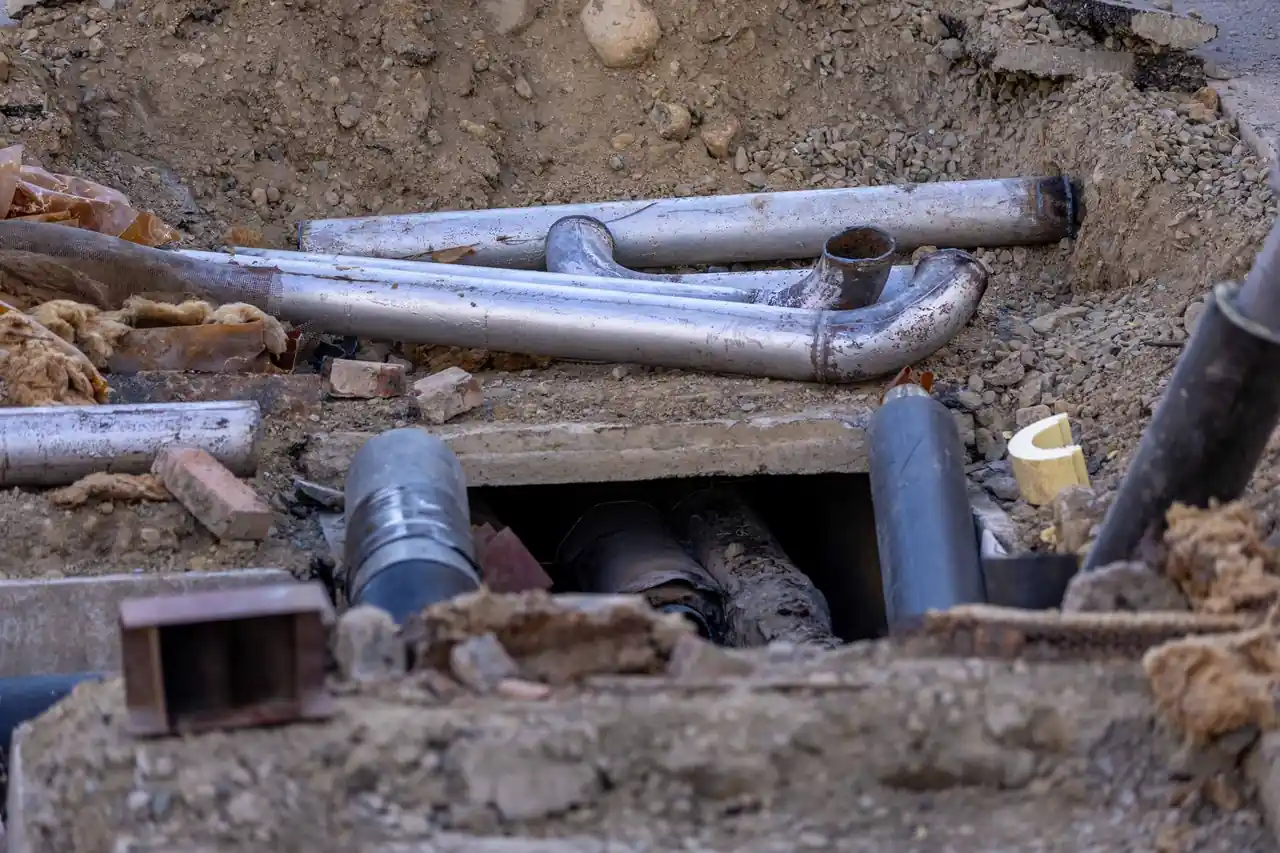
Small commercial buildings in Over-the-Rhine and Walnut Hills often need supply-line work too. We repipe commercial kitchens, restrooms, and mixed-use buildings to Ohio Plumbing Code, with backflow prevention certification on staff for the inspections that come with it.
View service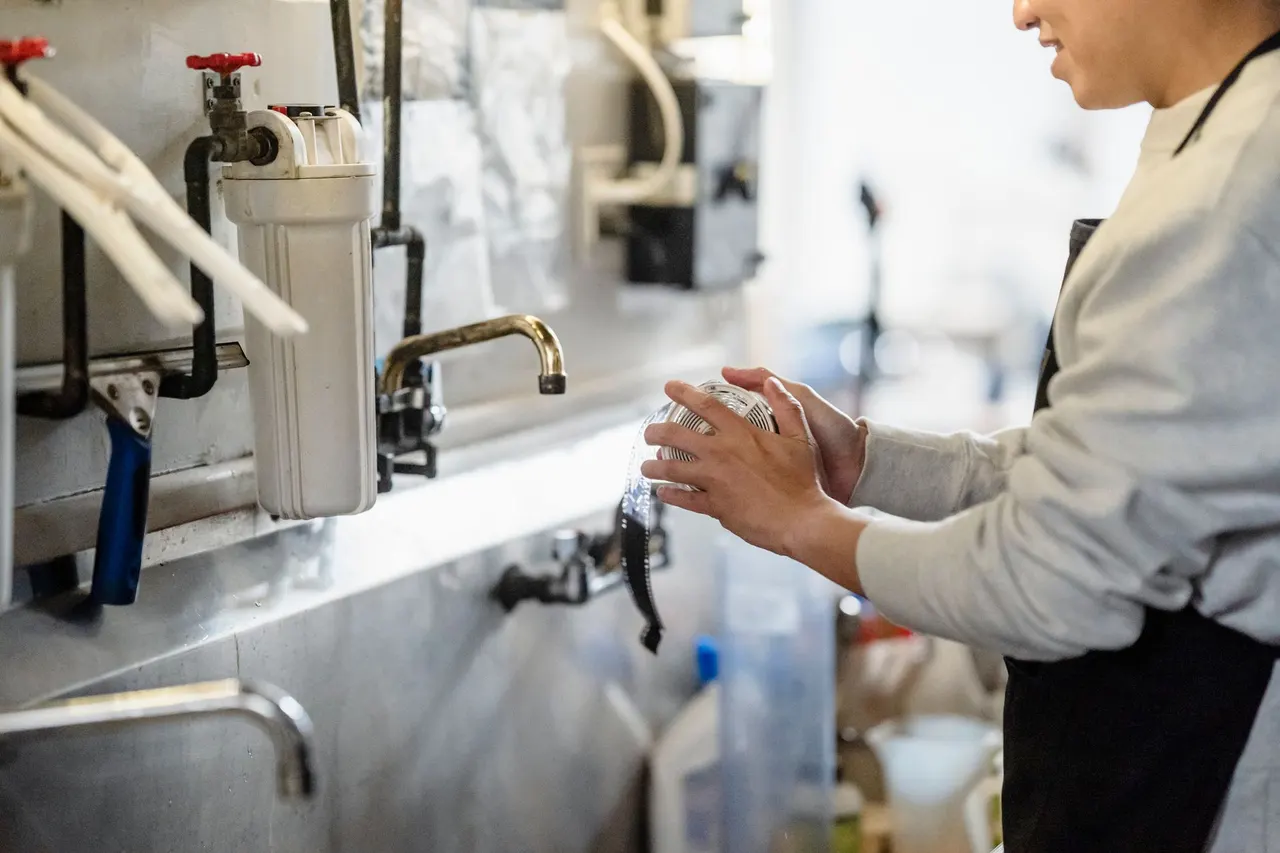
Not every problem needs a full repipe. If one section of pipe is failing, we can repair it, pressure-test, and buy you time. We will tell you honestly when a repair is the right call and when you are throwing money at pipe that is going to keep failing.
View serviceCall us at 5138278348 any time, day or night. We answer emergency calls 24/7 and schedule regular service calls Monday through Friday. If you prefer email, reach us at [email protected] and we'll get back to you the same day.