Focused arrival windows
Useful updates and clear arrival timing.
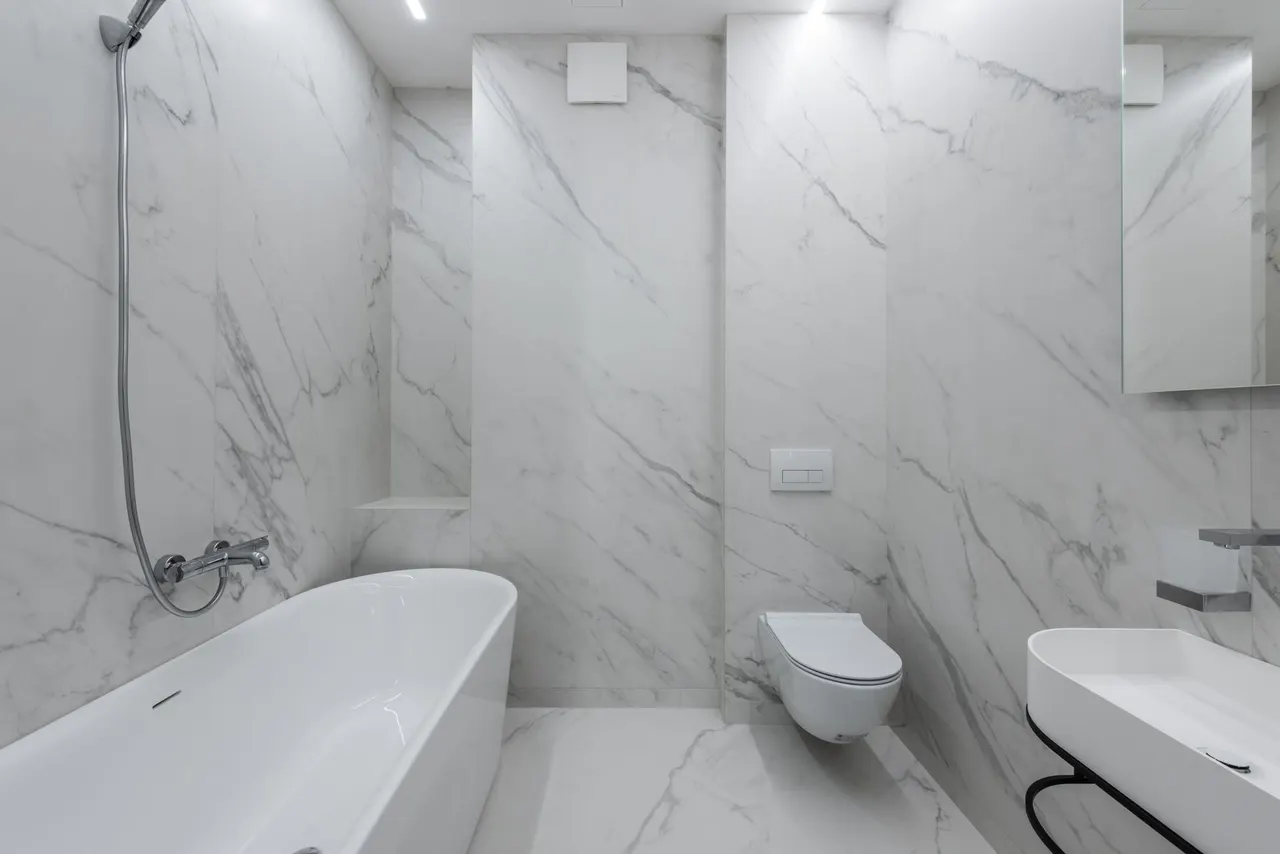
When you need faucet installation Cincinnati OH homeowners can count on, our licensed plumbers handle the shutoff, the supply lines, and the leak test in one visit. We install Moen, Delta, and Kohler fixtures in kitchens and baths across Hamilton County, and we carry the parts to fix what we find behind the wall. Call 513-827-8348 and we'll get your new faucet running clean.
Useful updates and clear arrival timing.
Review the approach and price before deciding.
Equipped vehicles and respectful cleanup.
Neighbors serving neighbors with follow-through.
Every job is different, but here's what you can expect on a standard faucet installation. If your setup needs more, we'll tell you before we start and quote it upfront. No surprise line items on the invoice.
We disconnect the supply lines, pull the old fixture, and clean the mounting surface of old putty, scale, and rust. Disposal of the old faucet is included. If the old unit is seized or epoxied in place, we handle that too without charging extra for the struggle.
Your new fixture gets mounted with fresh gaskets, Teflon tape on all threaded connections, and a proper seal at the base. We torque to spec with a basin wrench, not a pair of pliers, so the finish and the valve body stay intact.
We replace the supply lines as standard practice. Old braided lines and brittle polybutylene are the number one cause of under-sink floods. New braided stainless lines are included in the labor price, and they're rated for the pressure.
We test both angle stops before and after the install. If a valve won't hold or weeps when closed, we replace it while the water is off. That's a small add-on and it saves you from a future emergency call when you need to shut the water off in a hurry.
After the water is back on, we run hot and cold for two full minutes and check the base, the supply connections, and the drain tailpiece. Then we dry everything and check again. You don't get handed a wet cabinet and a handshake.
We show you how the new fixture operates, where the shutoffs are, and how to care for the finish. You get the manufacturer's warranty paperwork plus our labor warranty. If a connection we made weeps, we come back and fix it at no charge.
Share what is happening and receive a clear next step from the local team.
Faucet installation Cincinnati OH is the licensed removal of an old fixture and the code-correct mounting, sealing, and connection of a new one to your home's supply lines. It is not just unscrewing two nuts. We shut off the angle stops, disconnect the supply lines, scrape the old plumber's putty and mineral scale off the deck, check the shutoff valves for weep, and set the new faucet with fresh Teflon tape on every threaded connection. Then we run hot and cold, check for drips at the base and under the cabinet, and hand you a dry countertop.
Most calls we get in Cincinnati start with a drip you can hear at night or a handle that needs two hands to turn. Old brass cartridges wear out, and hard water from the Ohio River treatment plants leaves scale that chews through seals. If you've been searching for faucet installation near me Cincinnati OH, the honest answer is that a $40 cartridge swap fixes some faucets and a full replacement fixes the rest. We tell you which one you're looking at before we start, and we don't sell you a new faucet when a repair will do.
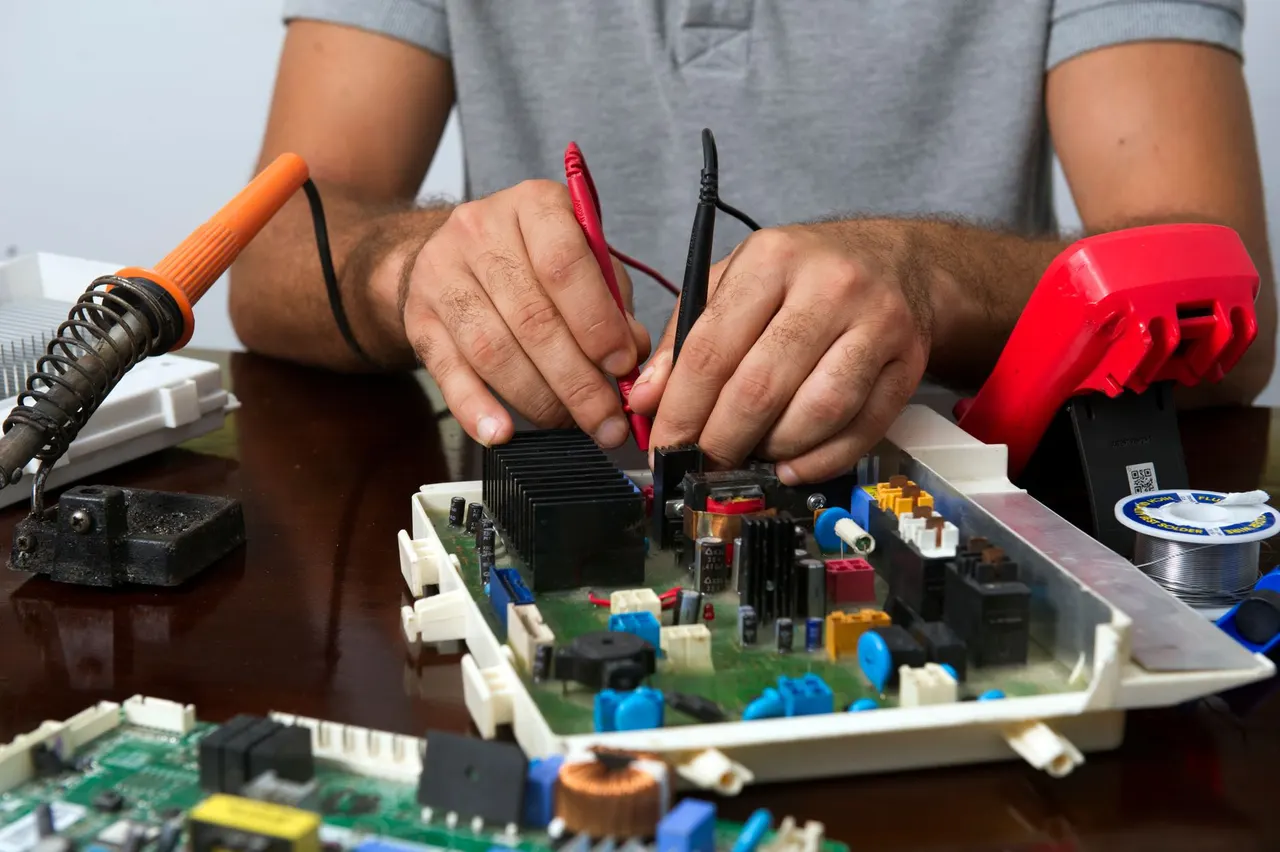
You call 513-827-8348 or book online. We ask what's dripping, what brand the old faucet is, and whether you already bought a replacement. That tells us which parts to load on the truck. Most Cincinnati addresses get a same-day or next-morning window, and we text you when the tech is on the way.
The tech shuts off the angle stops under the sink and opens the faucet to drain the line. Then we look at what's actually there: corroded shutoffs, a cracked supply line, water staining on the cabinet floor. If the shutoff won't hold, we replace it before anything else. That takes about 10 minutes and saves a flood later.
We disconnect the supply lines, pull the old faucet, and scrape the mounting surface clean. Old putty, calcium scale, and rust all come off so the new gasket seats flat. On a kitchen sink we also check the sprayer hose and the garbage disposal collar while we have the cabinet open. This step runs 20 to 40 minutes.
The new faucet goes in with fresh Teflon tape on the threads and a bead of plumber's putty or silicone at the base. We hand-tighten, then finish with a basin wrench so nothing gets over-torqued. Supply lines get connected and snugged, and we check that the sprayer hose has no kinks before we turn the water back on.
We run hot and cold for a full two minutes, watching the base, the supply connections, and the drain tailpiece. Then we dry everything and check again. You get a walkthrough of the new fixture, the warranty paperwork, and a reminder to run both handles weekly if it's a guest bath. Total job time is usually 1 to 2 hours.
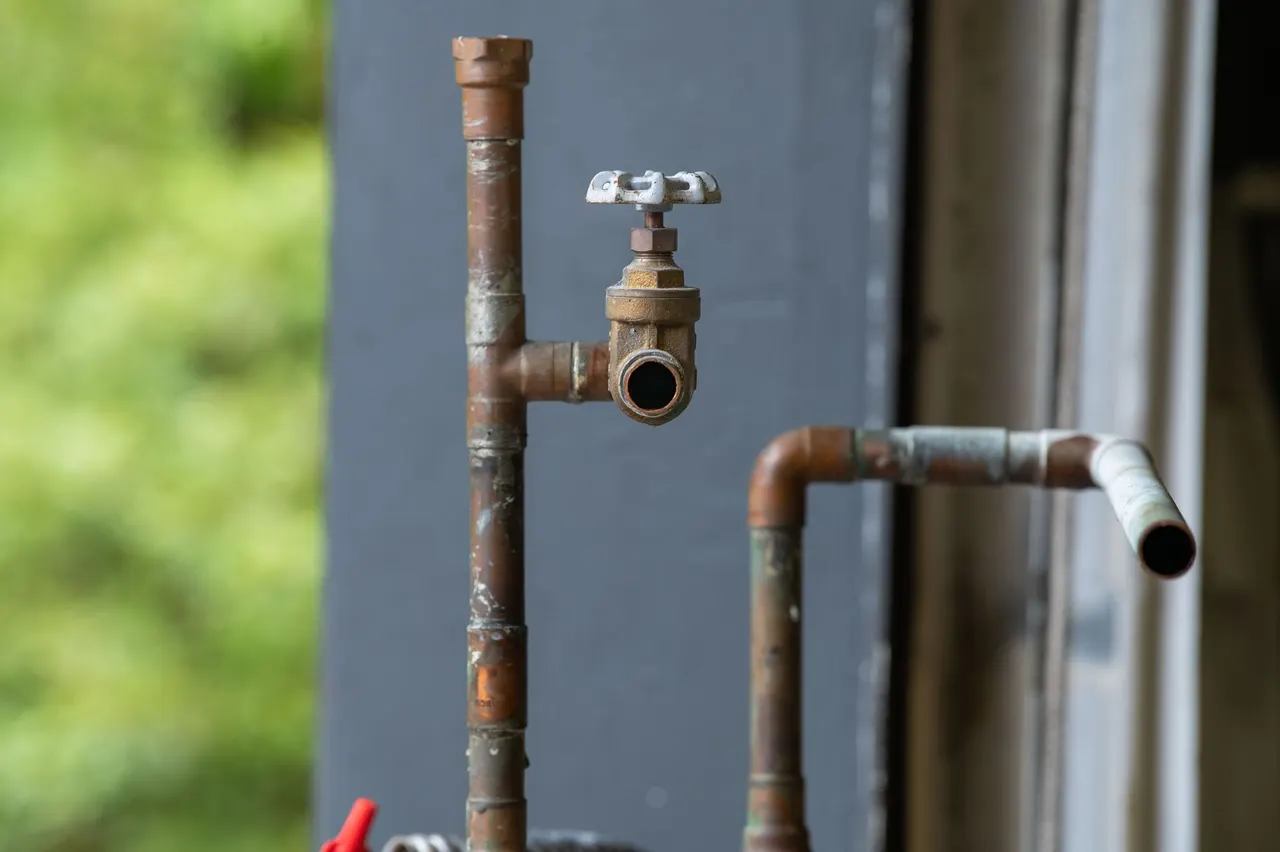
Reaches the mounting nuts behind a sink where a standard wrench won't fit. Lets us tighten the faucet to spec without scratching the finish or rounding the nut.
Cuts copper pipe and PEX tubing square and clean, which matters for a proper compression or push-fit connection. A square cut is the difference between a leak-free joint and a slow weep.
Crimps the copper rings that secure PEX tubing to fittings. We use it when replacing a supply line or adapting an older stub to modern PEX. The crimp is checked with a go/no-go gauge.
Used when we need to sweat a copper joint on a supply stub. We keep a heat shield on hand to protect cabinet finishes and framing. Most faucet jobs don't need it, but we carry it for the ones that do.
A fast, reliable way to adapt old pipe to new without soldering. Ideal for tight cabinet spaces where a torch is risky. We use them where code allows and always pressure-test after.
When a faucet leak turns out to be a hidden supply line issue, we use electronic leak detection to trace it without tearing out cabinets. It saves time and drywall.
If the drain is slow after a faucet install, we run a camera down the line to see what's actually blocking it. Root intrusion and scale show up clearly on camera, so we fix the right problem.
Every install follows the Ohio Plumbing Code and the Uniform Plumbing Code. That means proper air gaps on sprayers, backflow protection where required, and supply lines rated for the system pressure. We pull permits when the scope requires it and coordinate the inspection.
When we spec a faucet, we look for the EPA WaterSense label. These fixtures use 1.5 GPM or less without sacrificing pressure, which cuts water use and still meets current standards. It's a small choice that pays back on every bill.
After the water is back on, we run hot and cold for two minutes, dry everything, and check again. The second check catches slow weeps that don't show up immediately. We don't leave until the cabinet is dry and stays dry.
We replace the supply lines on every faucet install, even if the old ones look fine. Braided stainless lines cost little and eliminate the most common cause of under-sink floods. It's a standard part of the job, not an upsell.
We test both angle stops before and after the install. If a valve won't hold, we replace it while the water is off. That way, the next time you need to shut off the water, you can actually do it.

We replaced the shutoff valves with quarter-turn ball valves, ran new braided stainless supply lines, and installed the homeowner's new Kohler pull-down faucet. The galvanized stubs got cut back and adapted with SharkBite fittings to avoid disturbing the old pipe. New faucet running at full pressure, shutoffs that actually work, and no damage to the original tile backsplash. The homeowner can now shut off the kitchen water without calling us.
We dispatched a tech within three hours, shut off the water, and found a cracked supply line and a failed cartridge. We replaced both, installed a new Moen bath faucet the owner had approved, and tested hot and cold for a full two minutes. Tenant had a working bathroom by dinner. The property manager got a clean invoice with the parts listed, and the unit stayed rented without a maintenance complaint.
We replaced the faucet with a single-handle ADA-compliant model, checked the flow rate against EPA WaterSense standards, and verified the supply lines were properly sized. The work was scheduled after business hours to avoid disrupting the office. Employees can now operate the faucet with one hand, the flow rate meets code, and the office passed its next inspection without a note. No lost work time.
We cut the old mounting nut off with a rotary tool, cleaned the deck, and installed the new faucet with fresh gaskets and supply lines. While we were under the sink, we noticed the disposal collar was loose and tightened it at no extra charge. New faucet installed in about an hour, no damage to the sink, and a small problem caught before it became a leak. The homeowner said it was the easiest service call they'd ever had.
Cincinnati plumbing has its own personality. The city's older neighborhoods, from Over-the-Rhine to Westwood, are full of homes built between 1890 and 1950 with galvanized supply lines that have narrowed over decades of mineral buildup. When we install a new faucet in those houses, we often find shutoff valves that haven't been turned in 30 years and supply stubs that crumble when touched. We plan for that. Our trucks carry quarter-turn ball valves, SharkBite adapters, and short sections of PEX tubing so we can adapt old pipe to a new fixture without opening a wall. Newer builds in Mason, West Chester, and Anderson Township are usually PEX throughout, which makes the job faster, but we still check the crimp rings and the manifold connections while we're in the cabinet. Cincinnati's water is moderately hard, treated from the Ohio River, and that scale is what kills cartridges early. If you've been searching for a faucet replacement cost Cincinnati Ohio estimate, the honest range for a standard swap is $180 to $450 in labor, and we'll confirm your number before we start. Winter matters too. Pipes in exterior walls can freeze during a cold snap, and a frozen supply line that splits will flood a cabinet the moment it thaws. If you're replacing a faucet on an exterior wall, we insulate the line while we're in there.
Many buildings here date to the 1800s, with original galvanized supply lines and shutoff valves that often need replacing alongside the faucet. We plan for that on every OTR call.
A mix of older homes and renovations. We see a lot of kitchen remodels where the faucet is the last piece, and the shutoffs behind the new cabinets haven't been updated. We fix that while we're in there.
Mostly newer construction with PEX supply lines and quarter-turn shutoffs. Faucet swaps here are usually straightforward, and we can often finish in under an hour.
Lots of post-war housing with original brass fixtures and narrow supply lines. We carry the adapters to connect modern faucets to older pipe without a major repipe.
Commercial and residential mix. We handle break room and restroom faucet installs for offices here, often after hours so the business doesn't lose a day.
Scale builds up in cartridges and aerators faster than in softer-water cities. We recommend ceramic-cartridge faucets and annual aerator cleaning to keep flow strong.
Cincinnati winters drop below freezing regularly. A frozen line can split and flood a cabinet when it thaws. We insulate exterior-wall supply lines during any faucet install where we can access them.
Galvanized supply lines narrow over time and reduce pressure at the faucet. We adapt with SharkBite or PEX where possible, and we tell you honestly if a larger repipe is worth considering.
A house that's been added onto may have copper in one wing and PEX in another. We check the supply type at the fixture before we start so we bring the right fittings.
A 12-year-old Delta kitchen faucet dripped constantly and the handle needed two hands to turn. The shutoff valves under the sink were original gate valves that wouldn't close fully, so the homeowner had been shutting off water at the main for every repair.
We replaced both gate valves with quarter-turn ball valves, installed a new Moen pull-down faucet with a 1.5 GPM WaterSense rating, and replaced the supply lines. The drip stopped, the handle moves with one finger, and the homeowner can now shut off the kitchen water at the sink.
Maintenance: Wipe the finish with a soft cloth weekly and clean the aerator every six months to keep flow strong. Run both hot and cold for 30 seconds each week if the faucet sits unused.
A bathroom faucet in a rental unit started spraying water from the base whenever the hot side was opened. The tenant reported it on a Friday, and the property manager needed it fixed before the weekend. The supply line was cracked and the cartridge had failed.
We dispatched a tech the same afternoon, replaced the cracked supply line and the failed cartridge, and installed a new American Standard bath faucet the owner had approved. The full job took about 75 minutes, and we tested hot and cold for two minutes before leaving.
Maintenance: Check under the sink once a month for moisture and tighten the packing nut if the handle develops play. Replace the supply line every five years as a preventive measure.
An office break room faucet met ADA requirements on paper but had a stiff handle that employees with limited grip strength couldn't operate. The flow rate was also below the WaterSense standard, and the supply lines were undersized for the building pressure.
We replaced the faucet with a single-handle ADA-compliant model rated at 1.5 GPM, upsized the supply lines, and verified the flow with a pressure gauge. The work was done after business hours in about two hours, and the office passed its next inspection without a note.
Maintenance: Have the aerator cleaned quarterly in a commercial setting, and check the supply connections at the same time. Log the install date so the fixture warranty stays valid.
Most faucet calls fall into a handful of categories. Here's what we see most often and how we solve it, whether you need a repair or a full replacement.
A steady drip wastes thousands of gallons a year and stains the sink basin. Left alone, the drip usually gets worse and can start leaking from the base onto the counter, which damages the cabinet below. We pull the cartridge or stem, check the seat and O-rings, and either rebuild the valve or replace the faucet. On older Moen and Delta units, a $30 cartridge kit often solves it. If the valve body is scored, replacement is the honest call, and we'll quote both options.
A single slow faucet usually means a clogged aerator, a failing cartridge, or a partially closed shutoff valve. Ignoring it can hide a bigger supply line issue that eventually affects the whole house. We remove and clean the aerator, test the shutoff valve, and check the supply line for kinks or scale. If the line is restricted, we replace it. Most single-faucet pressure issues resolve in under an hour, and we confirm flow with a pressure gauge before we leave.
A leak at the supply connection or the drain tailpiece rots the cabinet floor and grows mold fast. By the time you smell it, the damage is usually already done. We dry the area, run the faucet, and trace the leak with a flashlight and paper towel test. Most of the time it's a loose compression nut or a failed supply line. We tighten or replace the connection, then run the water again to confirm it's dry.
A seized handle usually means mineral scale has built up inside the cartridge. Forcing it can snap the stem and turn a simple repair into a full faucet replacement. We shut off the water, pull the handle, and inspect the cartridge. Scale gets cleaned or the cartridge gets replaced. If the valve body is corroded, we install a new faucet. Either way, you get a handle that moves with one finger.
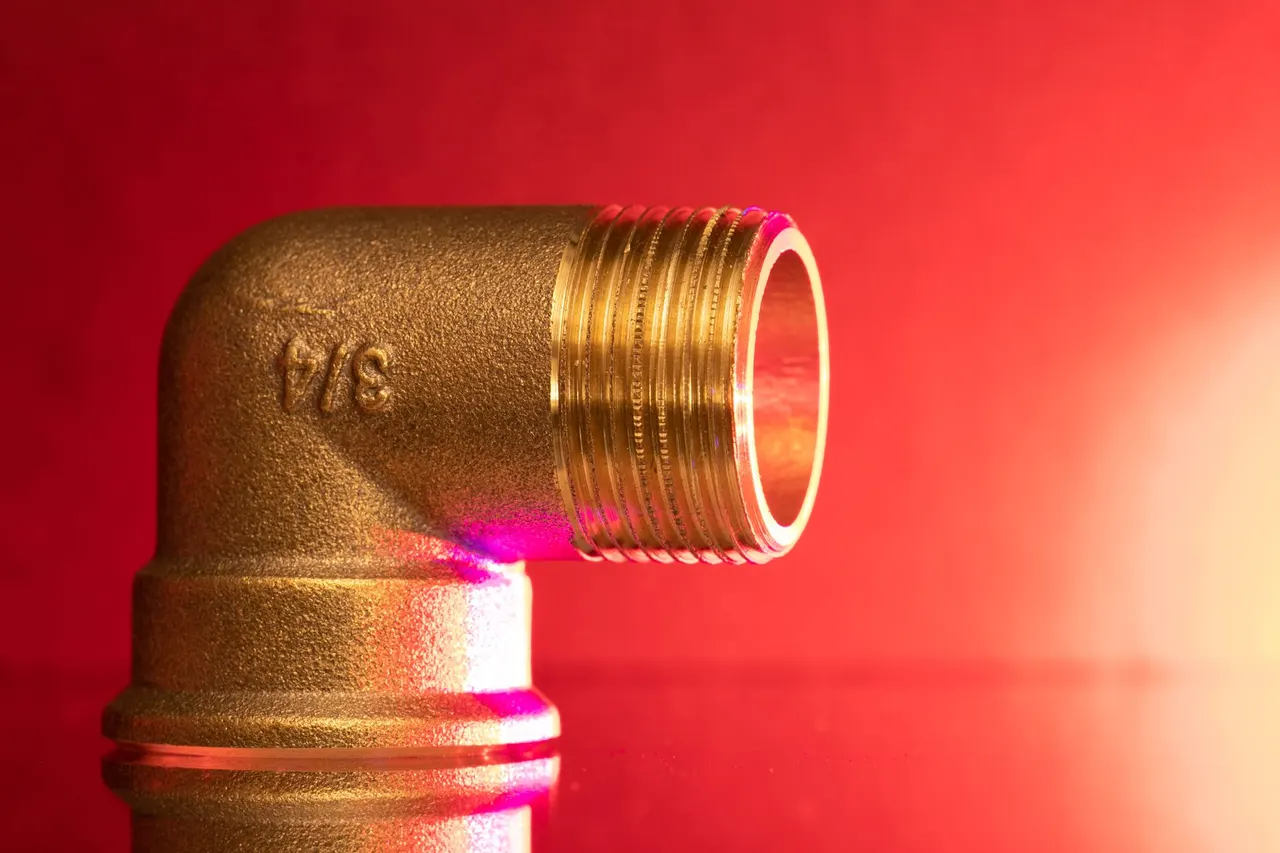
Our techs hold Ohio plumbing licenses and work under a master plumber license holder, which means the person in your kitchen has passed the state exam and carries the insurance to back the work. We've installed everything from a $90 laundry sink faucet to a $1,200 commercial pre-rinse assembly. We know which Moen cartridge crosses to which Delta model, we know when a SharkBite push fitting is the right call and when it isn't, and we know that a 1950s Westwood bungalow has different shutoff valves than a 2015 Oakley build. That local experience is why we rarely make a second trip.
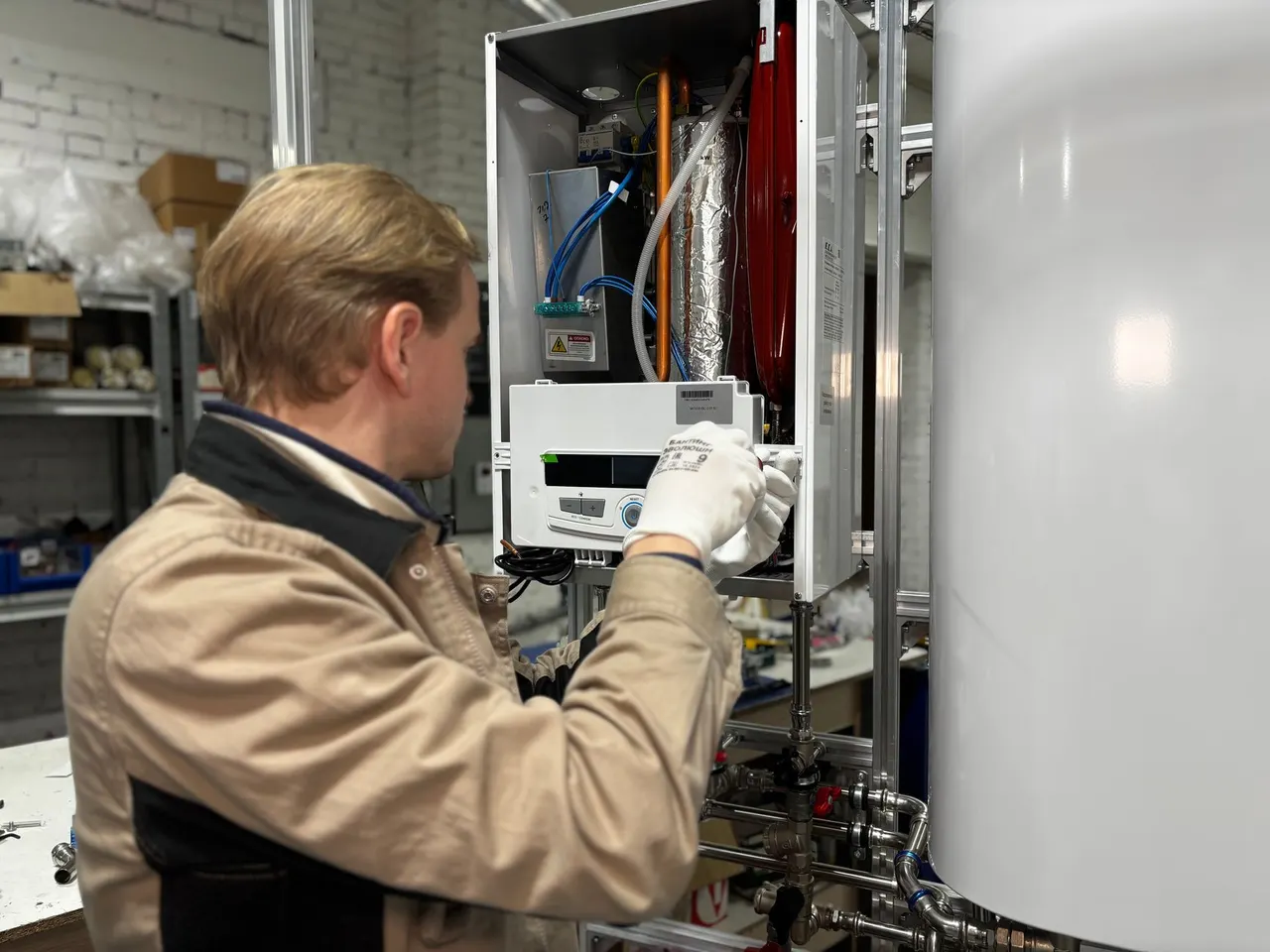
Our kitchen faucet had been dripping for months and the shutoff valve under the sink was frozen solid. The tech replaced the valve, installed the new Delta pull-down we'd bought, and had it running in about 90 minutes. Clean work, no mess in the cabinet, and the price matched the quote. We've already booked them for a bathroom faucet next month.
Called at 8 a.m. about a bathroom faucet that was spraying water at the base. They had a tech out by 11 and he found the supply line had cracked. New faucet installed, new lines, and he checked the other bathroom while he was there. Fair price and he explained what he was doing the whole time.
We manage several rental units and use these guys for all our fixture work. They've done faucet replacement in Cincinnati for us at three properties now, always on schedule and always code-correct. The tenants have never complained about the work, and the invoices are clean. That's all I need from a plumber.
Most residential jobs run $180 to $450 in labor, plus the fixture itself. A basic bathroom faucet swap sits at the low end; a kitchen faucet with a pull-down sprayer, a new garbage disposal collar, and a replaced shutoff valve pushes toward the top. Emergency or after-hours calls add a trip charge. We quote the full number before we start, so there's no surprise on the invoice.
You can, and plenty of homeowners do. The catch is what's under the sink. If your shutoff valves are seized, if the supply lines are brittle polybutylene, or if the old faucet was sealed with epoxy, a DIY job turns into a Saturday at the hardware store and a Sunday with a wet cabinet. We handle the parts that go wrong, and we warranty the connections.
Yes. Call before early afternoon and we can usually get a tech out the same day for a standard kitchen or bathroom faucet swap. We keep Moen, Delta, and Kohler cartridges on the truck, so most jobs finish in one visit. If you already have the new fixture in the box, that speeds things up considerably.
A single-handle ceramic-cartridge faucet from Moen, Delta, or Kohler holds up best to our water. Cincinnati's treated supply runs moderately hard, and ceramic discs resist scale better than rubber seats. For kitchens, a pull-down sprayer with a 1.5 GPM EPA WaterSense rating balances pressure and efficiency. For baths, a widespread two-handle in brushed nickel hides water spots better than chrome.
Not seeing your question? Our local team can help you understand urgency, scheduling and what to expect.
Ask the local team
A faucet supply line that bursts at 2 a.m. is an emergency, and we treat it like one. Our on-call techs shut off the water, replace the failed line, and install the new faucet in the same visit. Call 513-827-8348 any hour for Cincinnati emergency plumbing.
View serviceFaucet installation is one piece of the residential plumbing we do every day in Cincinnati homes. From a dripping bath faucet to a full bathroom remodel rough-in, our licensed techs handle the whole scope under one permit and one warranty.
View service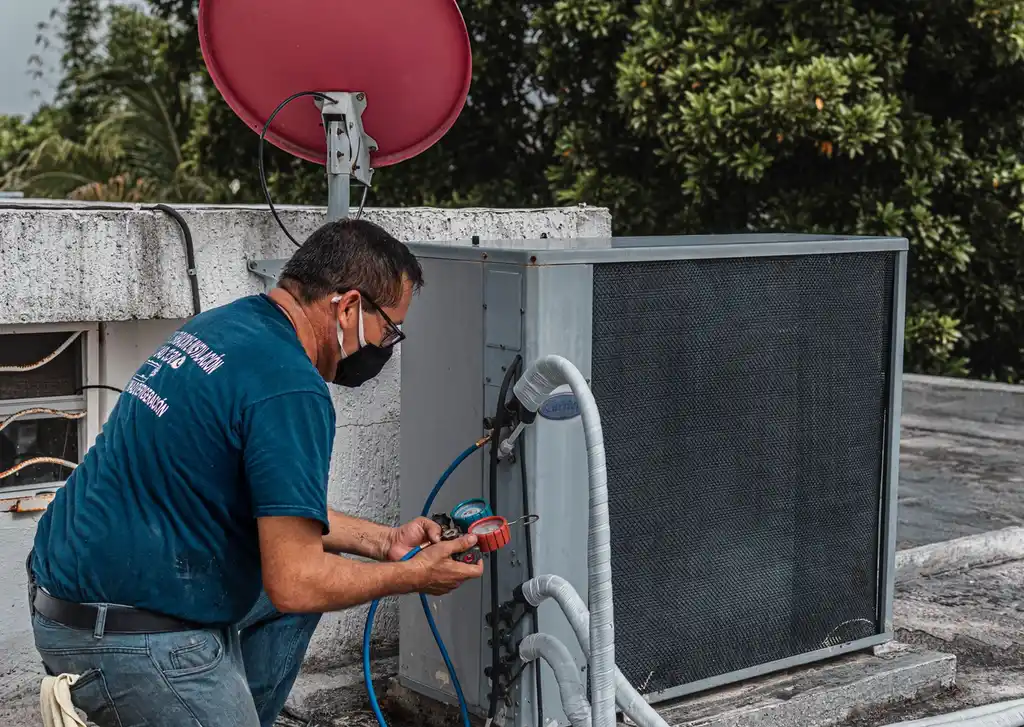
Restaurants, offices, and retail spaces in Cincinnati need faucets that meet commercial flow and code requirements. We install pre-rinse assemblies, metering faucets, and ADA-compliant fixtures, and we schedule the work around your business hours so you don't lose a day of service.
View serviceSometimes the faucet is fine and the problem is upstream. If you've got low water pressure at one sink or a shutoff valve that won't close, our repair techs diagnose it with a pipe camera inspection or leak detection equipment and fix the actual cause before we touch the fixture.
View service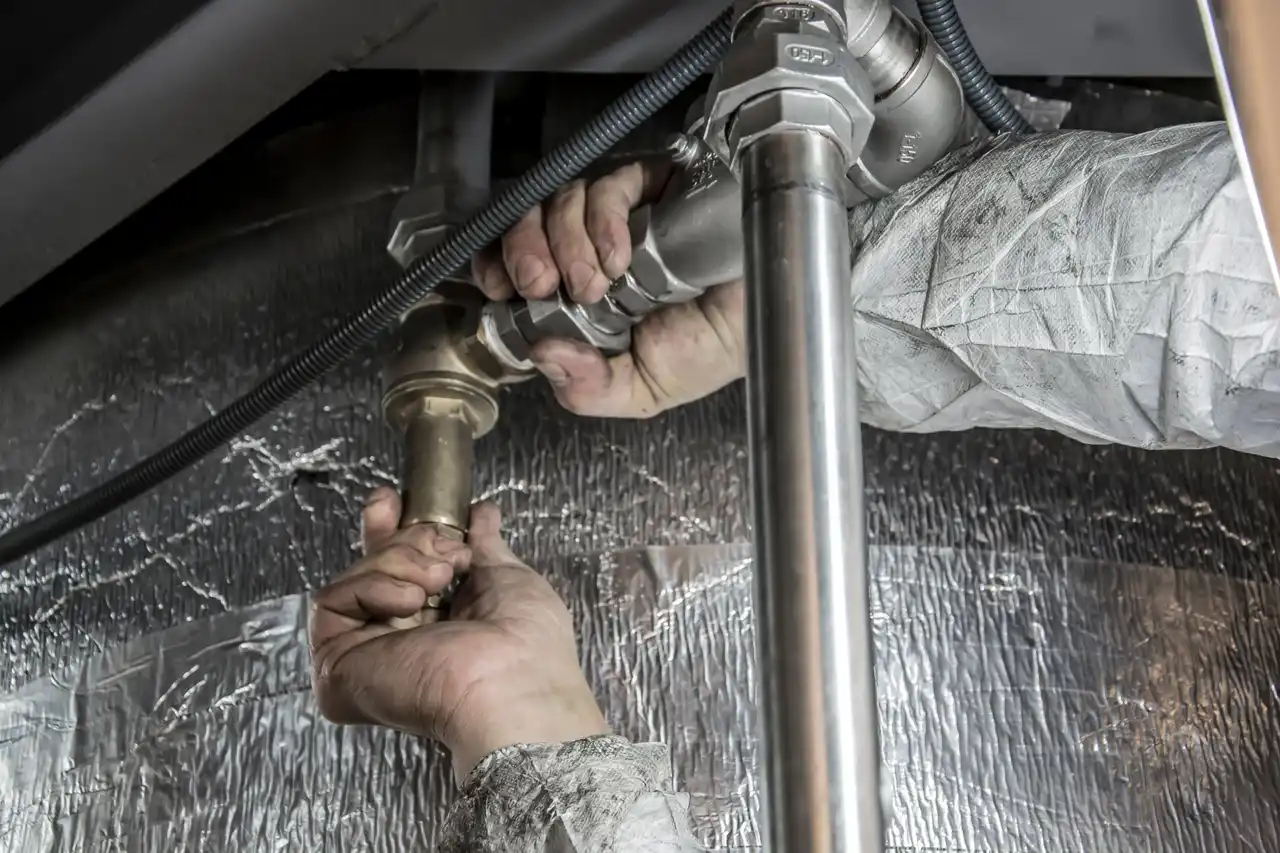
Call us at 5138278348 any time, day or night. We answer emergency calls 24/7 and schedule regular service calls Monday through Friday. If you prefer email, reach us at [email protected] and we'll get back to you the same day.